

Service dog retirement is one of the hardest chapters in a handler's life. You share years of work, trust, and deep routine with this animal. Then the day comes when continuing that work is no longer fair to them. Knowing how to navigate that moment, emotionally and practically, is something every handler should think about long before they have to.
This guide covers the real timeline of a working dog's career, the physical and behavioral signs that retirement is near, how to help your dog settle into a new pace of life, and how to prepare for a successor when you still need a working partner.
How Long Do Service Dogs Typically Work?
Most service dogs have an active working career of roughly seven to ten years. That window shifts based on breed, body type, the tasks performed, and the physical demands placed on the dog day to day. A large breed dog performing mobility work, helping a handler stand, brace, or retrieve heavy items, often retires earlier than a smaller dog doing psychiatric alerting or medical detection.
Labrador Retrievers and Golden Retrievers, two of the most common service dog breeds, typically begin slowing down between ages eight and ten. German Shepherds doing demanding work may show wear earlier. Smaller breeds sometimes work comfortably into their eleventh or twelfth year.
Start thinking about retirement planning by the time your dog reaches age six or seven. That is not pessimistic. It is responsible. Early planning protects both you and your dog from a crisis decision made under pressure.
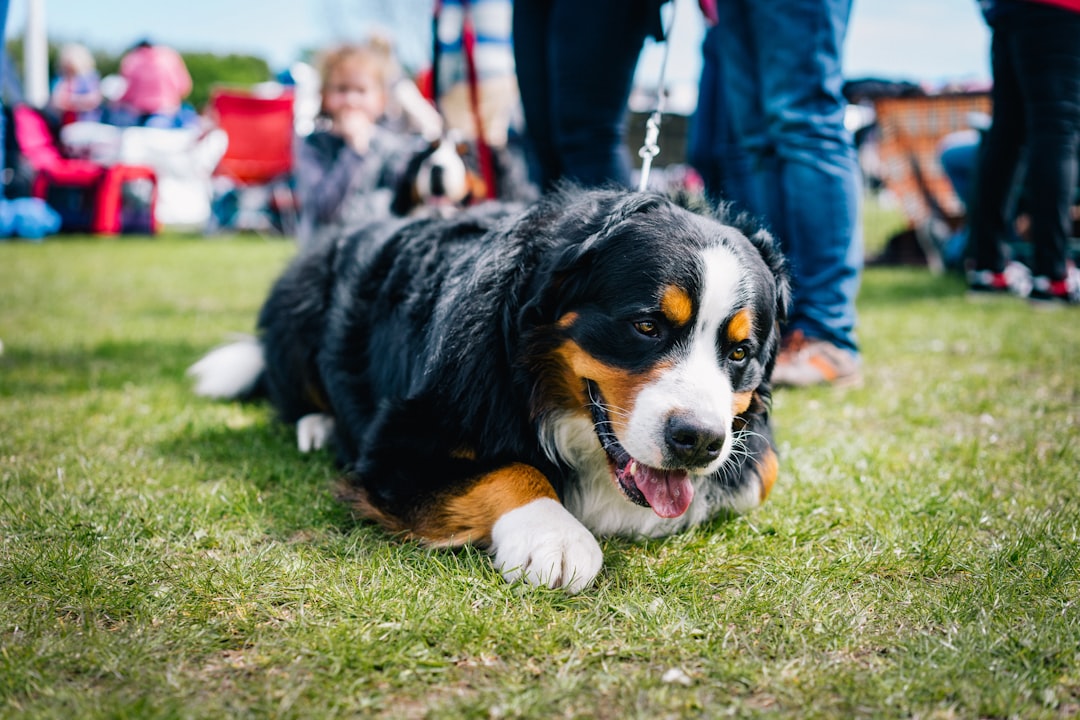
Signs It May Be Time to Retire Your Dog
Retirement is rarely a single dramatic event. It shows up in small changes that accumulate over months. Watch for these patterns in your dog.
Physical slowdowns. Stiffness after rest, difficulty getting up from a lying position, hesitation before jumping into a vehicle, or visible soreness after a long outing are all signs the body is working harder than it used to. Have your veterinarian assess joint health. Arthritis, hip dysplasia, and spinal changes are common in aging working dogs and can be confirmed with imaging.
Task avoidance or delay. A dog who once responded to alerts, retrieves, or commands with immediate enthusiasm may start hesitating. If your dog pauses before completing a task they once performed automatically, that is a message. Pain, fatigue, or cognitive changes may be interfering with the work.
Reduced focus in public. Distraction, difficulty maintaining heel position, or anxiety in environments that never bothered them before can signal that the mental load of working has become too much. Cognitive Dysfunction Syndrome, similar to dementia in humans, can affect older dogs and shows up as confusion, disorientation, and changes in sleep patterns.
Trainer and veterinary input. If your trainer or vet has said, even gently, that they are concerned about your dog's capacity to continue working safely, take that seriously. A second veterinary opinion is always appropriate for this decision.
Do not wait for your dog to fail publicly or visibly struggle. Retire them while they still have comfort and dignity.
The Emotional Weight Handlers Carry
Handlers often describe service dog retirement as a kind of grief. That is not dramatic. It is accurate. Your dog has been your medical support, your daily companion, and in many cases your lifeline to independence. Stepping back from that partnership affects your sense of safety, your routine, and your identity as a handler.
At TheraPetic® Healthcare Provider Group, our Licensed Clinical Doctors see this pattern regularly in handlers navigating retirement and transition. The emotional response is real and valid, and it deserves the same attention you would give any significant life change. Grief, anxiety, and even guilt are common. Guilt especially, because many handlers feel they are abandoning a partner by retiring them, even when retirement is the most loving choice they can make.
Talk about it. Reach out to your trainer, your handler community, or a mental health professional who understands the service dog relationship. Do not carry that weight alone.
As a 501(c)(3) nonprofit healthcare provider, TheraPetic® exists to support handlers through exactly these kinds of transitions. Our mission includes handler wellness, not just documentation support.
Transitioning Your Dog to Pet Life
Many handlers assume their retired service dog will automatically relax into a life of napping and walks. The reality is more complicated. A dog trained for years to stay alert, work closely with a handler, and perform structured tasks may find sudden retirement disorienting.
Give the transition structure. Keep a consistent daily routine so your dog knows when to expect meals, walks, and attention. Routine is stabilizing for dogs, especially those accustomed to the predictability of a working schedule.
Allow the dog to make choices they were not allowed to make before. Let them sniff on walks without correction. Let them investigate things at their own pace. This kind of decompression is healthy and important. Many trainers call it "sniff work". Unstructured exploration that allows a dog to process the world on their own terms for the first time.
Decide early whether your retired dog will remain in your home or be placed with a family member or trusted adopter. Many handlers keep their retired dogs, which creates a warm continuity but also means managing two dogs once a successor arrives. Both choices are valid. The right answer depends on your housing, your capacity, and what your retired dog needs.
If your dog is placed elsewhere, visit if possible. Maintain connection. Your dog spent years bonded to you, and a clean break can be unnecessarily hard on them.
Planning for a Successor Dog
Getting a successor dog is not a betrayal of your retiring partner. It is a recognition that you still need support, and that your disability does not retire when your dog does.
Start researching successor options at least one to two years before you expect retirement. Training a service dog from scratch, whether through a program or an owner-training path, takes time. Owner-training a service dog is a legal right under the Americans with Disabilities Act, but it is a significant undertaking that requires planning, professional guidance, and consistency.
If you are working with a program, get on waiting lists early. Reputable programs can have multi-year waitlists. Document your disability needs clearly so the program can match you with the right dog for your specific tasks.
Your retiring dog's task history is useful information. Know exactly what tasks your current dog performs, how they perform them, and what gaps you need a successor to fill. That documentation helps trainers and programs place you accurately.
To start the process of assessing your current support needs or begin building the documentation your successor program may require, visit our screening process and speak with our clinical team.
Living Through the Gap Period
For many handlers, there is a painful in-between time. Your dog has retired. Your successor is not ready. You are managing your disability without your primary support tool.
Plan for this gap. Talk to your healthcare team about interim support strategies. If your service dog alerts to medical events, make sure your providers know that your detection system is temporarily offline. Update your emergency contacts. Review your safety plan.
Use mobility aids, medication management tools, or other accommodations you may have deprioritized while your dog was working. This is not regression. It is practical adaptation.
Connect with the ADA's official service animal guidance if you have questions about your rights during this transition period, particularly around public access when you are not currently partnered with a working dog.
How to Honor What They Did
Your dog cannot understand a ceremony. But you can mark this transition in ways that matter to you and reflect the gravity of what they gave you.
Create something tangible. A photo book, a framed print, a written account of your time together. These are not sentimental extras. They are ways of processing a significant chapter of your life. Handler communities often hold informal retirement celebrations. Some trainers will attend and acknowledge the dog's career in a formal way.
Tell people what your dog did. When you explain a service dog's retirement to someone who has never worked with one, you educate them about what service dogs actually do and what that partnership means. That ripples outward in ways that matter.
Give your retired dog the best remaining years you can. Comfortable bedding for aging joints, veterinary pain management if needed, gentle exercise that keeps them mobile without causing harm, and time with the person they love most. You. That is the best honor there is.
Service dog retirement is not an ending. It is a shift. Your dog gave you years of work and trust. Give them years of rest and comfort in return. And when you are ready, begin the next chapter. Because your needs are real, your rights are protected, and the next partnership is worth building.
If you have questions about your next steps as a handler. Whether that means understanding your options for a successor dog or clarifying your documentation needs. Reach out to the TheraPetic® clinical team at help@mypsd.org or call (800) 851-4390.
Written By
Ryan Gaughan, BA, CSDT #6202 — Executive Director
TheraPetic® Healthcare Provider Group • About • LinkedIn • ryanjgaughan.com
Clinically Reviewed By
Dr. Patrick Fisher, PhD, NCC — Founder & Clinical Director • The Service Animal Expert™
Editorial Review
This article was reviewed by Dr. Patrick Fisher, PhD, NCC on August 21, 2026 for accuracy, currency, and clarity. Content is updated when laws or guidance change.