

Can a Rescue Dog Actually Become a Service Dog?
The short answer is yes. A rescue dog can become a service dog. We have seen it happen. But the honest answer is more complicated than that, and you deserve the full picture before you drive to a shelter with high hopes and a training plan.
Under the Americans with Disabilities Act, there is no requirement that a service dog come from a breeder, a program, or a specific bloodline. What matters is whether the dog is trained to perform a specific task that directly mitigates a handler's disability. A dog rescued from a shelter can meet that standard just as well as a dog raised from a puppy by a professional program.
The question is not whether it is possible. The question is whether the individual dog in front of you has the temperament, health, and drive to get there.
Why Wash Rates Are Higher in Rescue Dogs
Be honest with yourself about this. Rescue dogs wash out of service dog training at higher rates than purpose-bred dogs. That is not a knock on shelter animals. It is just reality, and understanding why helps you make a smarter decision.
Purpose-bred service dog candidates are selected through generations of intentional breeding for low reactivity, high focus, stable nerves, and strong food or toy drive. Shelters cannot guarantee that history. Many dogs end up in shelters precisely because their previous owners could not manage their behavior. High reactivity, fear, and poor impulse control are some of the most common reasons dogs are surrendered.
Unknown history is the other factor. You may not know whether a shelter dog experienced trauma, inconsistent handling, or early deprivation during the critical socialization window, which runs roughly from three to fourteen weeks of age. What happened in that window shapes a dog's responses for life.
Knowing all of this does not mean you walk away from rescue candidates. It means you evaluate them more carefully and go in with honest expectations.
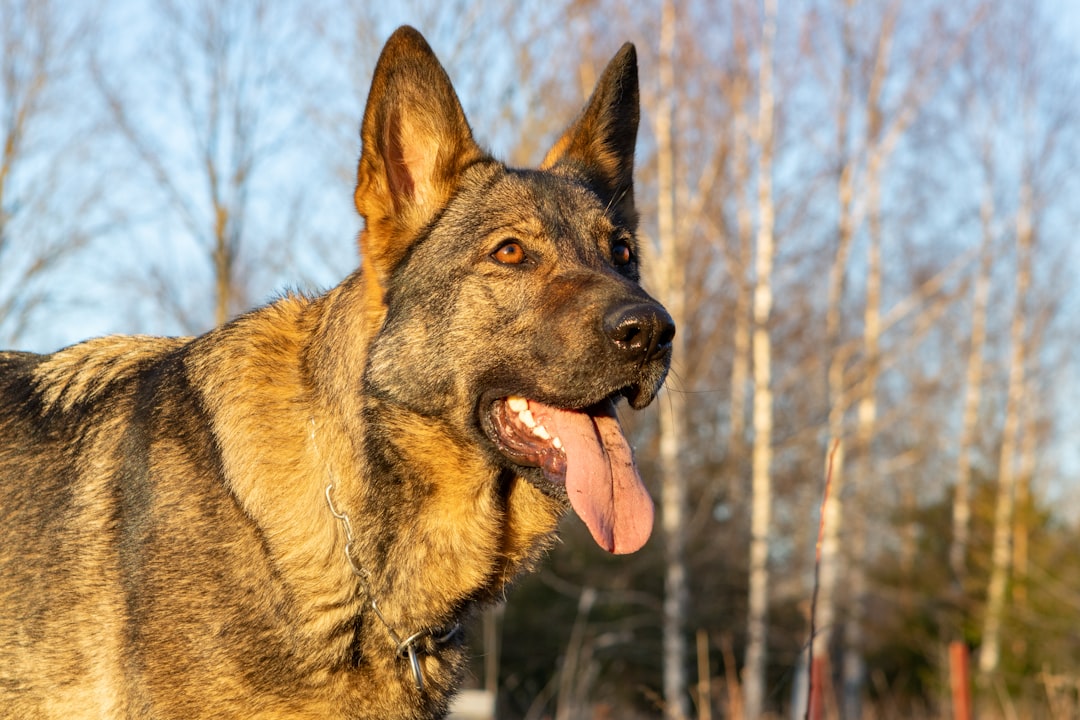
What to Evaluate in a Shelter Dog
When you walk into a shelter looking for a service dog candidate, stop thinking like an adopter. Start thinking like a program evaluator. You are looking for a very specific profile.
Check noise sensitivity first. Drop a set of keys behind the dog without warning. Watch what happens. A good candidate startles briefly, then recovers and moves on. A dog that freezes, tucks, or continues to scan the environment for minutes afterward is telling you something important about how it will respond to the unpredictable public environment a service dog must navigate.
Test food motivation. Offer a high-value treat like a small piece of meat in the shelter environment with its distractions. A dog that can orient to food and follow a hand lure through basic movement is far easier to train. A dog that ignores food completely when stressed is signaling high baseline anxiety.
Watch body language around strangers. Ask a shelter staff member the dog does not know to approach and crouch down. Look for a soft body, relaxed tail, and willingness to engage. Hard staring, stiffening, or excessive avoidance are red flags for a dog that will struggle in public access.
Observe leash behavior. Take the dog on a short walk in the parking lot. Does it pull frantically? Does it shut down? Does it scan constantly for threats? A service dog candidate should show some capacity for orientation to the handler even in a novel space.
No shelter dog will be perfect during an evaluation. The environment is stressful for every dog. What you are measuring is recovery speed and baseline temperament, not polished behavior.
Age Considerations for Rescue Service Dogs
Age matters more than most people realize when selecting a rescue service dog candidate.
Dogs between one and three years old sit in a sweet spot for many handlers. They have cleared the most unpredictable phase of puppy development. Their adult temperament is visible and assessable. They have the physical stamina to handle a full working day. And they often have enough drive remaining to build new skills quickly.
Puppies from shelters come with extra unknowns. You are betting on genetic potential you cannot fully see yet. Puppy temperament tests can give you information, but they are not highly predictive of adult working behavior. If you have the time and experience to raise and train a puppy, a rescue puppy can work. If you are counting on the dog being task-ready within a defined timeline, an older candidate is lower risk.
Dogs over seven years old are rarely good service dog candidates for a full working role. Even if the temperament is exceptional, the physical demands of service dog work place real strain on joints and organ systems. A dog you invest twelve months of training into should realistically be able to work for several years before retirement.
The honest window for a rescue service dog candidate is roughly one to four years of age, evaluated case by case.
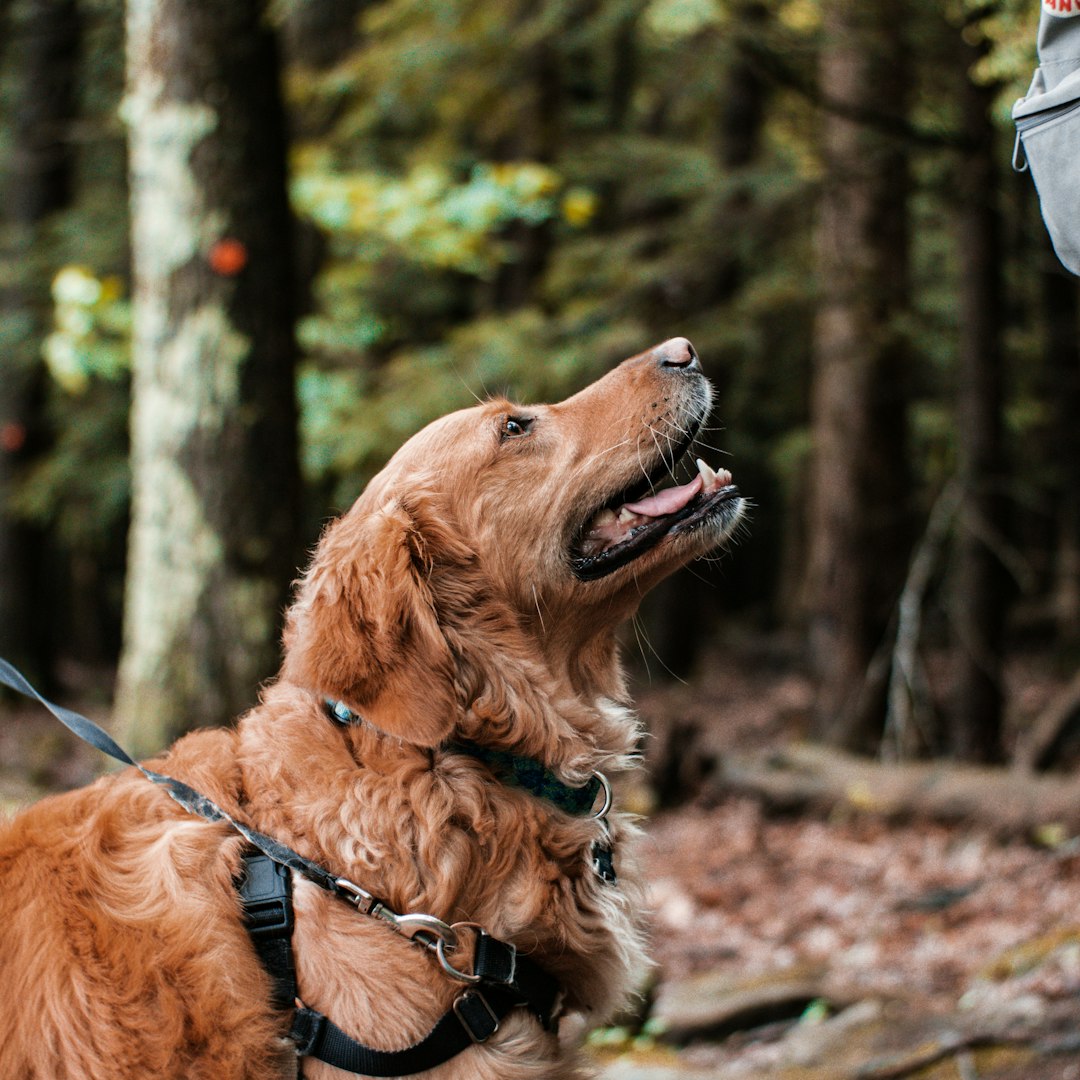
Real Success Stories From Rescue-to-Service
In our experience supporting handlers with disabilities through the documentation and evaluation process, we have seen rescue dogs succeed at a wide range of tasks. These are not rare anomalies. They follow a pattern.
One handler with post-traumatic stress disorder adopted a three-year-old mixed-breed Labrador from a county shelter. The dog had been surrendered because the previous owner moved apartments. It had zero red flags on temperament evaluation. Within fourteen months of owner training with professional guidance, the dog was performing nightmare interruption, grounding during dissociative episodes, and crowd buffering. That dog worked for six years.
Another handler with a mobility impairment found a two-year-old Standard Poodle mix at a rescue organization. The dog's size, retrieve drive, and stable temperament made it a strong candidate for brace work and object retrieval. With a certified trainer and a structured plan, the dog passed a public access evaluation within eighteen months.
What these success stories share is a realistic starting point. The handlers did not fall in love with a dog and assume training would work itself out. They evaluated first. They confirmed temperament. Then they committed.
Working With a Trainer on a Rescue Candidate
Do not attempt to evaluate a rescue service dog candidate alone if this is your first time doing it. Bring in a professional trainer who has experience with task training and public access work before you adopt.
Many shelters will allow a trainer to accompany you for a pre-adoption evaluation. Ask. Most will say yes. A thirty-minute evaluation with a qualified trainer is far less costly than adopting a dog, investing months of training, and discovering the temperament was wrong from the start.
Once you have adopted your candidate, build a structured training plan before you start exposing the dog to public access environments. Lay a foundation of focus, impulse control, and basic obedience first. Task training comes after the dog is reliable in controlled settings.
Learn more about the owner-training process for service dogs to understand what a realistic training timeline looks like from foundation through public access.
Your Rights as a Service Dog Handler
Whether your service dog came from a breeder or a shelter, your rights under federal law are the same. Under the Americans with Disabilities Act, a business may only ask two questions: whether the dog is a service animal required because of a disability, and what work or task the dog has been trained to perform.
They may not ask for documentation. They may not ask you to demonstrate the task. They may not require the dog to wear identifying gear. A rescue dog that is trained and task-ready has the same legal standing as any other service dog.
If your disability also qualifies you for housing protections under the Fair Housing Act, or if you travel and need to understand your rights under the Air Carrier Access Act, those protections extend to your dog regardless of its origin.
Understanding your rights fully is part of being a responsible handler. Review the ADA service dog laws guide to get clear on what businesses can and cannot ask you.
For external guidance, the ADA.gov service animal guidance published by the U.S. Department of Justice remains the primary federal reference for handler rights.
Is a Rescue the Right Choice for You?
A rescue service dog is not the right choice for every handler. If your disability requires a dog to be working reliably within a short window, a purpose-bred candidate from a reputable program may carry less risk. If you have a complex medical alert task that requires extremely precise training from puppyhood, the unknowns in a rescue's background may work against you.
A rescue service dog is worth pursuing if you have the time, the trainer support, and the emotional resilience to evaluate honestly and potentially walk away from a dog that does not meet the standard. It is worth pursuing if you are open to a longer timeline. And it is worth pursuing if you find a dog that genuinely passes a real evaluation, not just one that charmed you at the shelter.
At TheraPetic® Healthcare Provider Group, a 501(c)(3) nonprofit, our Licensed Clinical Doctors work with handlers at every stage of the service dog process, including those evaluating rescue candidates for task training. Our mission is to make sure handlers have accurate information and real clinical support, not just paperwork.
If you are working toward a service dog letter or support documentation for housing or travel, start with a confidential clinical screening at go.mypsd.org to connect with a Licensed Clinical Doctor on our team.
Written By
Ryan Gaughan, BA, CSDT #6202 — Executive Director
TheraPetic® Healthcare Provider Group • About • LinkedIn • ryanjgaughan.com
Clinically Reviewed By
Dr. Patrick Fisher, PhD, NCC — Founder & Clinical Director • The Service Animal Expert™
Editorial Review
This article was reviewed by Dr. Patrick Fisher, PhD, NCC on August 16, 2026 for accuracy, currency, and clarity. Content is updated when laws or guidance change.