

Service dog retirement marks one of the most bittersweet chapters in a handler's journey. After years of faithful service, your four-legged partner deserves to enjoy their golden years as a beloved pet. But knowing when and how to make this transition brings both emotional and practical challenges.
The average service dog works for 6-8 years before retirement becomes necessary. Some dogs retire earlier due to health issues or behavioral changes. Others may work slightly longer if they remain healthy and eager to serve. Understanding this timeline helps handlers prepare emotionally and practically for this inevitable transition.
Understanding Service Dog Retirement
Service dog retirement isn't just about age numbers. It's about recognizing when your dog can no longer perform their trained tasks safely and reliably. Unlike pets who can slow down gradually, service dogs must maintain peak performance to ensure handler safety.
The Americans with Disabilities Act doesn't specify retirement requirements for service dogs. Handlers have the responsibility to ensure their dog can perform necessary tasks without compromising safety. This means making difficult decisions about when working life should end.
Most service dogs begin showing retirement signs between ages 8-10 years old. Large breed dogs often retire earlier due to joint issues and shorter lifespans. Smaller breeds may work longer but still face age-related challenges that affect their service capabilities.
Early retirement sometimes occurs due to medical conditions, traumatic experiences, or significant behavioral changes. These situations require careful evaluation with your veterinarian and dog trainer to determine the best path forward.

Recognizing the Signs It's Time
Physical signs often appear first in aging service dogs. Joint stiffness, slower movement, and difficulty with stairs signal declining mobility. Dogs who struggle to perform physical tasks like mobility support or medical alert positioning may need retirement consideration.
Vision and hearing changes affect a dog's ability to navigate safely and respond to commands. Service dogs who miss important cues or struggle in crowded public spaces may no longer provide reliable assistance. These sensory changes can compromise both handler and dog safety.
Cognitive changes present subtle but important retirement indicators. Dogs who forget trained behaviors, become confused in familiar environments, or show decreased focus during work sessions may be experiencing age-related mental decline.
Behavioral changes like increased anxiety, aggression, or reluctance to work suggest your dog may be ready for retirement. Service dogs who once eagerly approached their harness may begin showing stress signals or avoidance behaviors around work equipment.
Medical conditions requiring extensive treatment or management can interfere with service work. Dogs needing frequent veterinary visits, daily medications, or activity restrictions may benefit more from retirement than continued service.
Energy level decreases naturally with age, but dramatic changes warrant attention. Service dogs who tire quickly, sleep more frequently, or show less enthusiasm for activities may be signaling readiness for retirement.
The Emotional Journey of Retirement
Retiring a service dog brings complex emotions for handlers. Grief, guilt, and fear about losing independence mix with gratitude for years of faithful service. These feelings are completely normal and shared by most handlers facing this transition.
Many handlers feel guilty about "putting their dog out to pasture" even when retirement clearly benefits the animal. Remember that retirement honors your dog's service by allowing them to enjoy life without work pressure. This perspective shift helps process difficult emotions.
Fear about managing without your service dog creates anxiety for many handlers. Professional screening and preparation for a successor dog can help ease these concerns and provide hope for continued independence.
Some handlers experience relief alongside sadness when retirement becomes necessary. Watching a beloved partner struggle with work demands can be emotionally draining. Retirement allows both handler and dog to release this stress.
Anticipatory grief often begins before actual retirement as handlers recognize declining abilities. Processing these emotions with counselors, support groups, or other service dog handlers provides valuable coping strategies during this challenging time.
Planning for Your Successor Dog
Successor dog planning should ideally begin 1-2 years before anticipated retirement. This timeline allows for proper research, application processes, and training without rushing crucial decisions. Early planning also provides emotional comfort during your current dog's declining years.
Evaluate your current and future needs when considering a successor dog. Disabilities may have changed since your first service dog, requiring different tasks or training approaches. Age, lifestyle changes, and living situations also influence successor dog selection.
Research training programs thoroughly before making commitments. Reputable programs maintain waiting lists and require extensive applications. Some programs offer "succession planning" specifically for handlers with retiring dogs.
Consider whether you want to train your retiring dog's replacement yourself or work with a professional program. Owner-training requires significant time, expertise, and resources but offers complete control over the process. Professional programs provide structured training but may have long wait times.
Financial planning for successor dogs includes training costs, equipment, veterinary care, and ongoing expenses. Some handlers pursue fundraising or apply for grants to help cover these substantial costs. Planning ahead prevents financial stress during an already emotional time.
Making the Retirement Transition
Gradual retirement often works better than immediate cessation of work. Slowly reducing work hours or limiting tasks allows both handler and dog to adjust emotionally and practically to changing roles. This approach respects the dog's identity as a working animal while easing into retirement.
Remove work equipment ceremonially to mark the transition. Taking off the harness for the final time creates closure and helps both parties accept the role change. Some handlers save retired equipment as keepsakes or donate it to training programs.
Establish new routines that don't revolve around service work. Retired dogs need structure and mental stimulation but in relaxed, enjoyable ways. Regular walks, puzzle toys, and social activities help fill the gap left by service work.
Allow time for adjustment to the new dynamic. Your dog may seem confused or restless initially without their job responsibilities. Patience and consistent new routines help them adapt to retirement life gradually.
Consider your dog's social needs during retirement. Some retired service dogs enjoy interacting with other dogs after years of focused work. Dog parks, playdates, or doggy daycare might become enjoyable retirement activities.
Honoring Your Dog's Service
Create lasting memories of your dog's service years through photo albums, journals, or scrapbooks. Document special moments, achievements, and the impact your dog had on your independence and quality of life. These keepsakes become treasured reminders of your partnership.
Consider formal recognition ceremonies to honor your dog's service. Some handlers organize small gatherings with family and friends to celebrate their dog's retirement. Others prefer quiet, personal moments of gratitude and reflection.
Write a letter to your retiring service dog expressing your gratitude for their years of faithful service. Reading this letter aloud during retirement ceremonies creates emotional closure and acknowledges the profound bond you've shared.
Share your dog's story with others who might benefit from hearing about service dog partnerships. Speaking at disability organizations, schools, or community groups helps educate others while honoring your dog's legacy of service.
Donate to service dog organizations in your retired dog's name. Many handlers find meaning in supporting future partnerships through charitable giving that honors their own experience.
Life After Retirement for Your Dog
Retired service dogs often experience an adjustment period as they learn to be "just dogs" again. Some embrace retirement immediately, while others need time to understand their new freedom from work responsibilities. Both reactions are completely normal.
Senior dog care becomes the primary focus after retirement. Regular veterinary checkups, appropriate exercise, mental stimulation, and comfort measures help retired dogs enjoy their golden years. Age-related conditions require ongoing management and attention.
Many retired service dogs develop new interests and behaviors in retirement. Dogs who were always focused on work may discover joy in playing, exploring, or simply relaxing. Encouraging these natural behaviors helps them fully embrace retirement life.
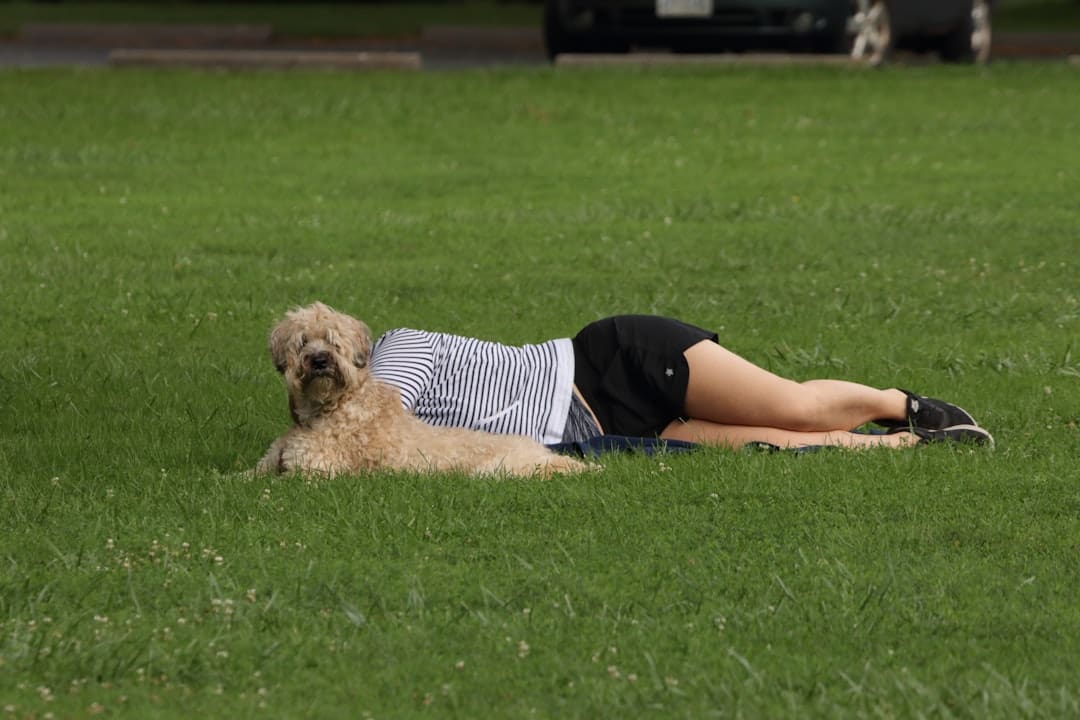
Introduce retired dogs to new experiences they couldn't enjoy while working. Meeting other dogs, playing with toys, or simply lying in the sun without responsibility can bring immense joy to newly retired service animals.
Some retired dogs maintain their alert, helpful nature even without formal service responsibilities. They may continue offering comfort or assistance instinctively. Appreciate these gestures while not expecting or requiring them from your retired partner.
Getting Support During This Change
Connect with other handlers who have navigated service dog retirement. Online communities, local support groups, and disability organizations often provide valuable emotional support and practical advice during this transition period.
Professional counseling can help process the complex emotions surrounding service dog retirement. Therapists familiar with disability issues and service dog partnerships understand the unique challenges handlers face during this life change.
Veterinary support becomes crucial during the retirement transition. Work closely with your vet to ensure your retired dog receives appropriate senior care and pain management. Regular health monitoring helps catch age-related issues early.
At TheraPetic® Healthcare Provider Group, we understand the profound bond between handlers and their service dogs throughout all life stages. Our nonprofit mission includes supporting handlers through every aspect of their service dog journey, including the difficult but necessary transition to retirement.
Family and friends need education about service dog retirement to provide appropriate support. Help them understand that losing your working partner affects your independence and mobility, not just your emotional well-being.
Consider working with a professional dog trainer experienced in service dog retirement transitions. These specialists can help both you and your dog adjust to new roles and routines while maintaining a positive relationship.
Service dog retirement marks the end of one chapter and the beginning of another in your journey toward independence and wellness. While saying goodbye to your working partner brings sadness, celebrating their years of faithful service honors the profound impact they've had on your life.
Remember that retirement is a gift you give your service dog after years of dedicated work. Allowing them to enjoy their senior years without job responsibilities shows the same love and care they've shown you throughout your partnership. This transition, though difficult, represents the natural and beautiful conclusion of a successful service dog career.
If you're facing service dog retirement or need support planning for a successor dog, contact our team for guidance and resources. Every handler deserves support during this significant life transition, and we're here to help you navigate this journey with confidence and hope.
Written By
Ryan Gaughan, BA, CSDT #6202 — executive Director
TheraPetic®® healthcare Provider Group • About • LinkedIn • ryanjgaughan.com
Clinically Reviewed By
Dr. Patrick Fisher, PhD, NCC, BC-TMH, C-AAIS — founder & clinical Director • the Service Animal Expert™