

Service dog gear can feel overwhelming when you're starting out. Pet stores overflow with colorful vests, patches, and accessories that promise to make your life easier. But here's the truth: no specific gear is legally required under the Americans with Disabilities Act. The right equipment, however, makes a real difference in your daily life as a handler.
Smart gear selection helps your service dog work more effectively. It also reduces unwanted interactions from the public. This guide covers what actually matters when choosing service dog gear. From vest basics to specialized equipment.
Legal Requirements for Service Dog Gear
The ADA does not require service dogs to wear any specific gear. No vest, no harness, no patches. Your service dog can legally accompany you wearing just a regular collar and leash.
However, many handlers choose identifying gear for practical reasons. A clear "Service Dog" vest often prevents interruptions and questions. It signals to business staff and the public that your dog is working.
Some state and local laws do require identification, but these cannot override federal ADA protections. If you travel, check local requirements. But remember. Your rights under federal law remain the same regardless of gear.
Business owners cannot require specific colors, brands, or types of service dog gear. They also cannot demand to see certification or registration cards. Your dog's behavior and your disability are what matter legally, not the equipment.
Choosing the Right Service Dog Vest
A good service dog vest serves multiple purposes beyond identification. It should be comfortable for your dog during long working periods. The material needs to breathe and not cause hot spots or chafing.
Look for vests with adjustable straps at the chest and belly. Your dog's body will change slightly with age, weight, and muscle development. Proper fit means you can slide two fingers under the straps without the vest sliding around.
Mesh panels help with airflow, especially important for dogs working in warm climates. Reflective strips add safety for evening outings. Avoid vests with excessive buckles, zippers, or decorative elements that could break or catch on things.
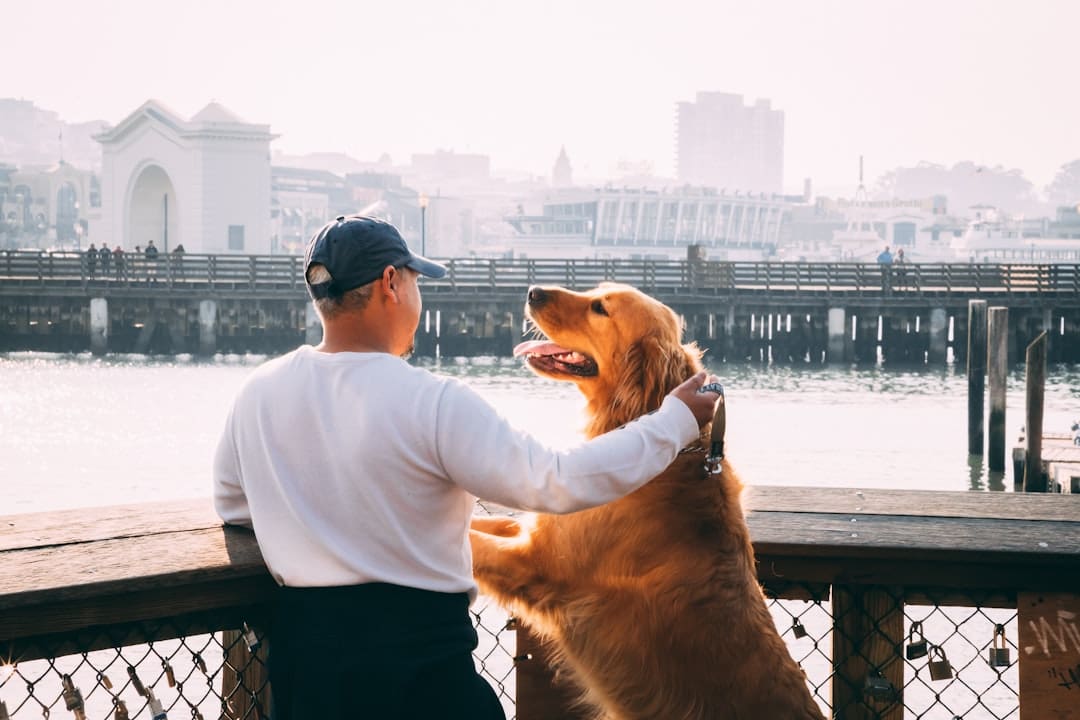
Consider wash-ability when selecting vest materials. Working dogs encounter spills, outdoor elements, and daily wear. Machine-washable vests save time and keep your dog looking professional.
Color choice matters less than you might think. Bright colors like red or blue stand out more than black or navy. But comfort and fit trump color preferences. Your dog will wear this gear for hours each day.
Harness vs Cape: Which Works Better?
The harness versus cape debate depends on your dog's tasks and your personal needs. Harnesses distribute weight across the chest and back. They work well for mobility tasks like balance, stability, or forward momentum.
Capes drape over the dog's back and sides without chest straps. They're lighter and less restrictive for dogs who need freedom of movement. Medical alert dogs or psychiatric service dogs often work better in capes.
Harnesses with handles give handlers something to hold during mobility work. The handle should be positioned over the dog's shoulders, not the lower back. This protects your dog's spine while providing you with stability support.
Some handlers prefer cape-style gear because it's quicker to put on and remove. Others find harnesses stay in place better during active tasks. Consider your dog's job requirements and your own physical limitations when choosing.
Quality matters more than style. A well-made cape will outlast a cheap harness. Look for reinforced stitching at stress points and durable hardware that won't snap under pressure.
Leash Types for Different Service Dog Tasks
Standard six-foot leashes work for most service dog teams. They provide enough length for the dog to perform tasks while maintaining control. Leather leashes are durable but require care. Nylon options are lightweight and machine-washable.
Retractable leashes are generally not recommended for service dog gear. They make it harder to maintain control in crowded spaces. The mechanisms can break, and the thin cord can tangle or snap.
Some handlers prefer four-foot leashes in tight spaces like airplanes or crowded stores. Shorter leashes keep your dog closer but may limit their ability to perform certain tasks. Consider your primary environments when selecting length.
Traffic leashes (very short, 12-18 inches) help in extremely crowded situations. They're useful for navigating through busy areas where normal leash length could cause problems. Many handlers carry a traffic leash as backup.
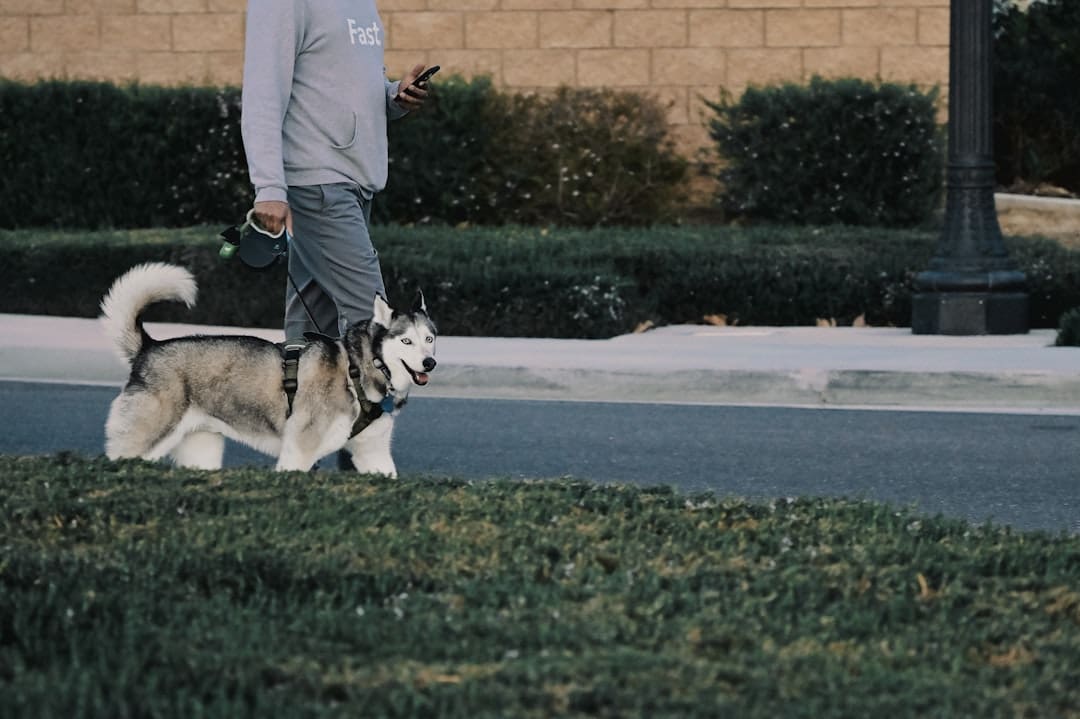
Hands-free leashes attach to your waist or across your body. They work well for handlers who use mobility aids or need their hands free for other tasks. Make sure the attachment point is secure and comfortable for extended wear.
Reflective or LED leashes add visibility during early morning or evening outings. Safety features become more important as your partnership develops and you venture into varied environments together.
Clear Identification Patches and Tags
Simple, clear patches work better than elaborate designs. "Service Dog" in large, readable letters gets the message across quickly. Avoid patches with cute sayings or multiple messages that could confuse people.
"Do Not Pet" patches help but aren't foolproof. Some people ignore them or don't read them quickly enough. Position patches where they're easily visible from both sides of your dog.
Medical alert patches can be helpful if your condition might require emergency response. "Diabetic Alert Dog" or "Seizure Response Dog" gives first responders important information quickly.
Avoid patches claiming legal authority or threatening consequences. Phrases like "Federal Crime to Interfere" are often inaccurate and can create confrontational situations. Keep messaging professional and informative.
ID tags on your dog's collar should include your contact information and "Service Dog" designation. Include a backup contact person in case you're unable to respond. Skip unnecessary details that take up space.
Task-Specific Equipment Essentials
Medical alert dogs might need specialized pouches for glucose tablets, medications, or monitoring equipment. These pouches should attach securely to the vest or harness without interfering with the dog's movement.
Mobility dogs require properly fitted harnesses with handles positioned correctly for their handler's height and needs. The handle height should allow you to maintain good posture while receiving support.
Guide dogs use specialized harnesses with rigid handles that transmit movement information. These require professional fitting and are typically provided by guide dog schools. Standard pet harnesses don't provide the same communication.
Psychiatric service dogs might carry comfort items or grounding tools in small attached pouches. Keep weight minimal to avoid tiring your dog during long working periods.
Some dogs carry emergency medication for their handlers. Waterproof pouches protect medications from weather and spills. Make sure pouches are easily accessible but secure enough that contents won't fall out.
Quality Over Quantity: What Really Matters
Invest in one high-quality vest rather than multiple cheap options. Well-made service dog gear lasts longer and looks more professional over time. Your dog wears this equipment daily, so comfort and durability matter more than having variety.
Check gear regularly for wear and tear. Frayed straps, loose stitching, or broken buckles can create safety hazards. Replace equipment before it fails completely, especially for mobility or medical alert work.
Professional appearance helps your team gain acceptance in public spaces. Clean, well-maintained gear signals that you take your partnership seriously. This can reduce challenges and questioning from business staff.
Budget for replacement gear over time. Working equipment wears out faster than casual pet accessories. Having backup gear ensures your dog can continue working even when primary equipment needs cleaning or repair.
At TheraPetic® Healthcare Provider Group, a nonprofit organization, we understand that proper equipment supports the human-animal bond that makes service dog partnerships so effective. Quality gear is an investment in your team's success and public acceptance.
Equipment Maintenance and Care
Regular cleaning keeps gear sanitary and professional-looking. Most vests and harnesses are machine-washable, but check care instructions. Air-drying prevents shrinkage and extends equipment life.
Inspect all buckles, snaps, and stitching weekly. Metal hardware can develop sharp edges or weak points over time. Replace hardware before it breaks to avoid emergency situations in public.
Store gear properly when not in use. Hanging vests and harnesses prevents wrinkles and maintains shape. Keep patches and accessories organized so you can find them quickly when needed.
Rotate between sets of gear when possible. This allows thorough cleaning and gives equipment time to fully dry. Having backup gear also prepares you for unexpected damage or loss.
Document what works and what doesn't for future purchases. Keep notes about sizing, brands, and features that work well for your team. This information helps when replacing gear or helping other handlers make decisions.
Remember that the most important part of any service dog team isn't the equipment. It's the training, bond, and work you and your dog do together. Quality gear supports that partnership, but it can never replace proper training and public access skills.
Ready to learn more about your rights as a service dog handler? Visit our service dog screening information to understand the process, or explore our public access training guide for essential skills every team needs.
Written By
Ryan Gaughan, BA, CSDT #6202 — executive Director
TheraPetic®® healthcare Provider Group • About • LinkedIn • ryanjgaughan.com
Clinically Reviewed By
Dr. Patrick Fisher, PhD, NCC, BC-TMH, C-AAIS — founder & clinical Director • the Service Animal Expert™