

Service dog handlers carry an invisible weight that extends far beyond their disability. The mental load of managing a service dog partnership includes constant vigilance, public education, access advocacy, and round-the-clock care responsibilities. This hidden burden often leads to handler burnout, a serious condition that affects both the person and their working dog.
Handler burnout manifests differently than typical caregiver fatigue. It combines the stress of living with a disability, the pressure of representing the service dog community, and the exhaustion of fighting for basic access rights. Understanding this unique form of burnout is crucial for maintaining a healthy partnership.
Understanding Handler Burnout
Handler burnout occurs when the cumulative stress of managing a service dog partnership overwhelms a person's coping mechanisms. Unlike other forms of burnout, it involves both disability-related challenges and the added responsibilities of working with a service dog.
The Americans with Disabilities Act provides legal protections for service dog teams, but these rights must be constantly defended. This creates a unique psychological burden where handlers become reluctant advocates, educators, and legal defenders simply to access public spaces.
Seven common signs of handler burnout include avoiding public outings, feeling anxious about access challenges, experiencing guilt over dog care decisions, feeling isolated from non-handler friends, dreading confrontations about the dog, struggling with the constant need to educate others, and questioning whether the partnership is worth the stress.
Research from disability advocacy organizations shows that service dog handlers report higher levels of stress related to public interactions than other assistive device users. This stress compounds existing health challenges and can impact the effectiveness of the service dog partnership.
The Invisible Labor of Service Dog Teams
The mental load of service dog partnership extends far beyond basic dog care. Handlers must constantly assess environments for safety, plan routes that accommodate their dog, anticipate access challenges, and prepare responses to inappropriate questions or interactions.
Every outing requires advance planning. Handlers research restaurant pet policies, identify dog-friendly restroom locations, consider flooring surfaces that won't hurt paw pads, and plan backup routes if access is denied. This cognitive load is exhausting and never-ending.
The emotional labor includes managing other people's reactions, educating the public about service dog laws, remaining calm during confrontations, and protecting their dog from inappropriate interactions. Handlers become unpaid educators and advocates for disability rights.

Financial planning adds another layer of invisible work. Service dog care includes routine veterinary expenses, specialized equipment, high-quality food, grooming, and emergency medical funds. These costs can create additional stress, especially for handlers on fixed disability incomes.
Documentation management becomes a daily task. Handlers often carry copies of ADA information, veterinary records, training certificates, and identification cards, even though none are legally required. This preparation helps avoid lengthy confrontations but adds to the mental load.
Living Under Constant Public Scrutiny
Service dog handlers face unprecedented levels of public attention and judgment. Strangers feel entitled to question the legitimacy of the disability, the necessity of the dog, and the validity of the partnership. This scrutiny occurs during vulnerable moments when handlers are simply trying to accomplish daily tasks.
The rise of fake service animals has intensified this scrutiny. Legitimate handlers face increased skepticism and must constantly prove their right to access. Business employees, other customers, and even law enforcement may challenge their presence based on misconceptions about service dog appearance or behavior.
Invisible disabilities create additional challenges. Handlers with psychiatric conditions, autoimmune disorders, or neurological differences often face the assumption that they don't "look disabled enough" to need a service dog. These interactions can be deeply traumatic and trigger disability symptoms.
Social media has amplified public judgment. Handlers report being photographed without consent, posted on social platforms with negative comments, and subjected to online harassment. This digital scrutiny extends the stress beyond physical interactions.
The pressure to be a "perfect representative" weighs heavily on handlers. They feel responsible for the entire service dog community's reputation, leading to hypervigilance about their dog's behavior and their own appearance in public.
Access Battles: A Daily Reality
Access denials remain common despite clear legal protections. Handlers regularly encounter businesses that refuse entry, transportation services that reject their reservations, and housing providers that deny applications. Each denial requires energy, time, and emotional resources to address.
The legal process for addressing discrimination is lengthy and stressful. Filing complaints with the Department of Justice or pursuing private lawsuits requires significant time and often legal representation. Many handlers choose to avoid challenging businesses rather than engage in prolonged battles.
Even successful access can be psychologically draining. Handlers may gain entry after explaining laws and educating staff, but the confrontation leaves them emotionally depleted. The stress of potential conflict affects handlers' willingness to attempt new locations or activities.
Transportation presents ongoing challenges. Airlines, ride-share services, and public transportation systems have varying policies and training levels. Handlers must research regulations, prepare documentation, and advocate for their rights across different transportation modes.
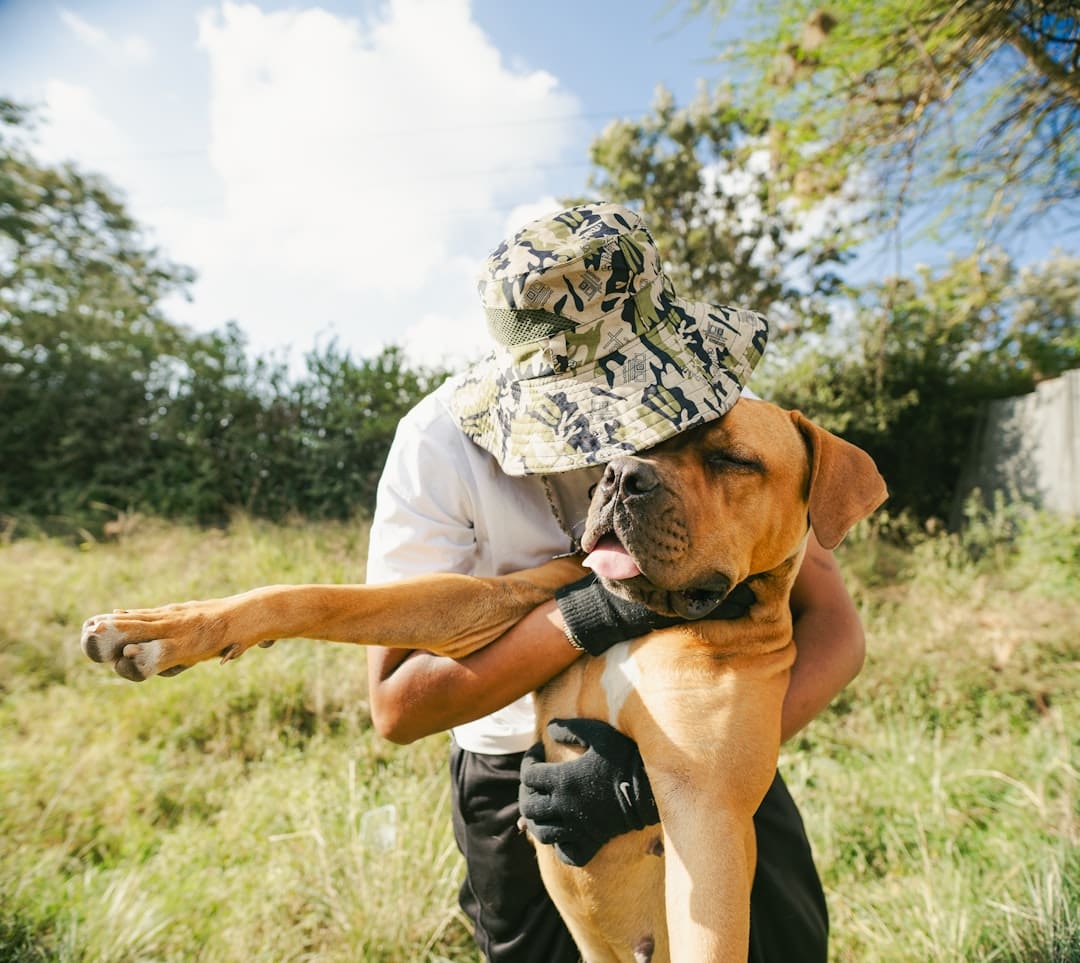
Housing discrimination creates long-term stress. Despite Fair Housing Act protections, many landlords refuse to rent to service dog teams or impose illegal fees and restrictions. The housing search becomes a complex legal navigation process.
Caring for Your Dog During Health Flares
Managing service dog care during disability flares creates a cruel irony. When handlers most need their dog's assistance, they must also provide intensive care despite their reduced capacity. This challenge is particularly difficult for handlers with unpredictable conditions.
During psychiatric episodes, physical pain flares, or neurological symptoms, basic dog care tasks become overwhelming. Feeding, grooming, exercising, and providing enrichment require energy that handlers may not possess. The guilt over potentially inadequate care compounds existing symptoms.
Emergency planning becomes crucial but adds to the mental load. Handlers must arrange backup care systems, emergency veterinary funds, and contingency plans for extended hospitalizations. These preparations require ongoing maintenance and coordination.
The working relationship may suffer during health crises. Dogs may sense their handler's distress and become anxious or protective. Maintaining training standards while managing personal health creates additional pressure and self-doubt.
Professional support systems often lack understanding of service dog partnerships. Healthcare providers may not consider the dog's needs during treatment planning, and pet care services may not understand the specialized relationship between working dogs and their handlers.
Planning Every Aspect of Life Around Your Partnership
Service dog partnerships require comprehensive life planning that extends far beyond typical pet ownership. Every decision must consider the dog's needs, abilities, and legal status. This constant consideration creates mental fatigue and limits spontaneity.
Career decisions must accommodate the partnership. Handlers consider workplace policies, travel requirements, client interactions, and colleague acceptance when evaluating job opportunities. Some career paths become impractical due to service dog restrictions or environmental challenges.
Social relationships change significantly. Dating becomes complicated by the need to educate partners about service dog etiquette and partnership dynamics. Friendships may shift as some people feel uncomfortable around working dogs or fail to understand access needs.
Travel requires extensive research and planning. Handlers must investigate airline policies, hotel accommodations, destination accessibility, and international regulations if applicable. Spontaneous trips become nearly impossible without significant preparation.
Medical appointments need coordination. Handlers must confirm that healthcare facilities allow service dogs, prepare for sterile environments where dogs may be restricted, and plan for procedures that might temporarily separate them from their dog.
As a 501(c)(3) nonprofit organization, TheraPetic® Healthcare Provider Group recognizes that comprehensive support for service dog handlers must address these daily challenges beyond initial training and placement.
Protecting Your Mental Health as a Handler
Preventing handler burnout requires proactive mental health strategies tailored to the unique challenges of service dog partnership. Traditional self-care advice often doesn't address the specific stressors handlers face, making specialized approaches necessary.
Boundary setting becomes essential for sustainable partnership. Handlers must learn to decline educational opportunities, limit public access battles they choose to fight, and protect their privacy from intrusive questions. Setting these boundaries requires practice and self-advocacy skills.
Professional mental health support should understand service dog partnerships. Therapists experienced in disability issues and animal-assisted interventions can provide more effective treatment than providers unfamiliar with these dynamics.
Stress management techniques must accommodate the presence of a working dog. Meditation, breathing exercises, and grounding techniques can be practiced with the dog present and may even incorporate the partnership bond for added effectiveness.
Regular mental health check-ins help identify burnout early. Handlers should monitor their stress levels, access avoidance behaviors, relationship satisfaction with their dog, and overall quality of life indicators.
Creating non-negotiable rest periods protects against overcommitment. Handlers need time when they're not educating others, defending their rights, or managing public interactions. These breaks are essential for psychological recovery.
Building Strong Support Systems
Effective support systems for service dog handlers require multiple layers of understanding and assistance. Family members, friends, healthcare providers, and fellow handlers each play important roles in preventing and addressing burnout.
Handler support groups provide peer understanding that others cannot offer. These groups, whether online or in-person, allow handlers to share experiences, strategies, and emotional support with people who truly understand the challenges.
Family education helps loved ones understand the complexities of service dog partnership. When family members understand access laws, appropriate interactions with working dogs, and the handler's daily challenges, they can provide more effective support.
Emergency support networks should include people who can provide dog care during health crises. These individuals need training on the dog's routine, medical needs, and working relationship requirements to maintain the partnership during difficult periods.
Professional networks should include veterinarians familiar with working dogs, trainers experienced with service dog maintenance, and legal advocates knowledgeable about disability rights. Having these resources identified before they're needed reduces crisis stress.
Advocacy organizations provide systemic support by working to improve access compliance, educate businesses and transportation providers, and strengthen legal protections. Supporting these efforts helps address root causes of handler stress.
The mental load of service dog partnership is real and significant, but it's manageable with proper recognition, support, and strategies. Handlers deserve to thrive in their partnerships, not merely survive them. By acknowledging the invisible labor, addressing access barriers, and prioritizing handler wellness, the service dog community can work toward more sustainable and fulfilling partnerships.
If you're experiencing handler burnout, remember that seeking support is a sign of strength, not weakness. Your mental health directly impacts your partnership's success and your overall quality of life. Professional guidance can help you develop personalized strategies for managing the unique challenges of service dog partnership while protecting your well-being.
For comprehensive information about service dog rights and handler support resources, visit go.mypsd.org/resources or contact TheraPetic® Healthcare Provider Group at help@mypsd.org.
Written By
Ryan Gaughan, BA, CSDT #6202 — executive Director
TheraPetic®® healthcare Provider Group • About • LinkedIn • ryanjgaughan.com
Clinically Reviewed By
Dr. Patrick Fisher, PhD, NCC, BC-TMH, C-AAIS — founder & clinical Director • the Service Animal Expert™