

Choosing the best dog breeds psychiatric service dog work requires looking far beyond breed stereotypes. While certain breeds show tendencies toward the traits needed for psychiatric service work, individual temperament always matters more than pedigree papers. The most successful psychiatric service dogs come from thoughtful matching between handler needs and individual dog characteristics.
Psychiatric service dogs perform life-changing tasks like interrupting panic attacks, providing deep pressure therapy, and creating space in crowded areas. These complex responsibilities demand specific temperament traits that can appear in many different breeds and mixed breeds alike.
Temperament Over Breed: The Foundation of Success
The most important factor in selecting a psychiatric service dog is individual temperament, not breed reputation. A calm, focused mixed breed often outperforms a purebred dog with high energy or distractible tendencies. Successful psychiatric service dogs share core personality traits regardless of their genetic background.
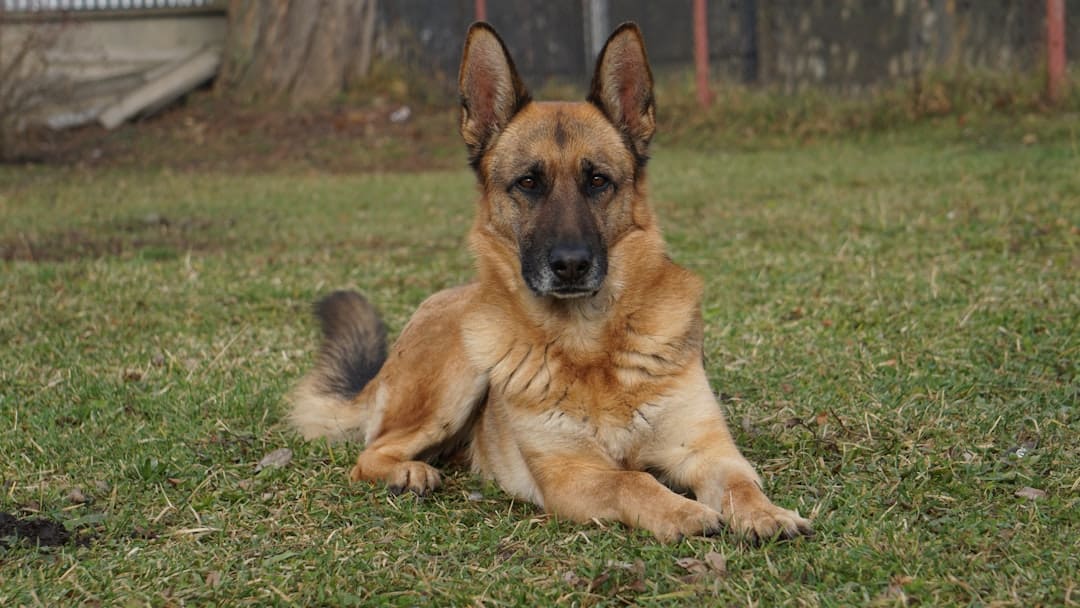
Breed tendencies provide helpful starting points for selection. Golden Retrievers typically show gentle, people-focused personalities. German Shepherds often demonstrate strong handler bonds and protective instincts. Individual dogs within each breed vary significantly in temperament and working ability.
Professional trainers evaluate hundreds of dogs yearly and consistently report that temperament testing reveals more about service dog potential than breed identification. A dog's response to stress, recovery time after startling events, and natural attention to human emotions predict success better than pedigree lineage.
Essential Traits for Psychiatric Service Dog Work
Psychiatric service dogs need specific temperament traits to perform their duties effectively. Handler focus tops the list - the dog must naturally orient toward their person rather than environmental distractions. This trait allows the dog to notice subtle changes in handler behavior that signal an approaching episode.
Emotional sensitivity enables dogs to detect rising anxiety, depression, or PTSD symptoms before they escalate. The best psychiatric service dogs show natural empathy without becoming overwhelmed by their handler's emotional state. They remain calm and responsive during crisis moments.
Public composure ensures the dog can work effectively in stores, restaurants, airports, and other challenging environments. The dog must ignore food, other animals, loud noises, and crowds while maintaining focus on their handler. This trait requires both natural temperament and extensive training.
Trainability determines how quickly and reliably a dog learns psychiatric service tasks. Dogs with high trainability show eagerness to learn, clear communication signals, and strong motivation to work with their handler. This trait appears across many breeds and mixed breeds.
Top Breed Considerations for Handler Partnership
When considering breed options, match the dog's natural traits with your specific needs and lifestyle. Active handlers who enjoy outdoor activities might thrive with working breeds like German Shepherds or Belgian Malinois. Handlers preferring calmer companions often connect well with Golden Retrievers or Cavalier King Charles Spaniels.
Size considerations matter for practical reasons. Larger breeds provide more effective deep pressure therapy for panic attacks and anxiety episodes. Smaller breeds excel at subtle alerting tasks and travel more easily. Medium-sized dogs often offer the best balance of capability and manageability.
Grooming requirements affect daily life significantly. Poodles and Poodle crosses need professional grooming every 6-8 weeks. Golden Retrievers shed heavily and require daily brushing. German Shepherds blow their coat twice yearly. Factor these ongoing needs into your breed selection process.
Energy levels must match handler capacity. High-energy breeds like Border Collies need substantial daily exercise and mental stimulation. Lower-energy breeds like Bernese Mountain Dogs content themselves with moderate daily walks. Mismatched energy levels create stress for both dog and handler.
Golden Retrievers and Labradors: The Classic Choices
Golden Retrievers and Labrador Retrievers remain popular choices for psychiatric service dog work due to their naturally people-focused temperaments. Both breeds typically show gentle mouths for retrieving tasks, steady nerves in public settings, and strong desire to please their handlers.
These retriever breeds excel at tasks requiring physical contact like deep pressure therapy and medical alert work. Their size provides substantial pressure for calming anxiety without being overwhelming. Most Golden Retrievers and Labs show natural empathy and respond well to their handler's emotional state.
However, not every retriever makes an ideal psychiatric service dog. Some individuals show high energy that interferes with calm, steady work. Others demonstrate strong prey drive or food motivation that creates distractions in public. Individual temperament testing remains essential even within these historically successful breeds.
Both breeds require significant grooming attention and shed heavily year-round. They also tend toward obesity without careful diet management and regular exercise. These factors don't disqualify them but require ongoing handler commitment.
German Shepherds and Border Collies: Intelligence and Loyalty
German Shepherds bring natural handler focus and protective instincts to psychiatric service work. Their intelligence enables quick learning of complex task sequences. Many German Shepherds show instinctive alerting behaviors that translate well to medical alert training for PTSD episodes or panic attacks.
Border Collies offer exceptional trainability and work ethic. Their intense focus can benefit handlers who need consistent task performance. This intensity can become problematic if not properly channeled. Some Border Collies show obsessive behaviors that interfere with service work.
Both breeds require experienced handling and extensive socialization to succeed in public access situations. German Shepherds may show protective tendencies that need careful management. Border Collies can become overstimulated in busy environments without proper preparation.
These working breeds need substantial mental and physical exercise daily. Handlers must commit to providing appropriate outlets for the dog's natural drive and intelligence. When properly matched and trained, both breeds can provide exceptional psychiatric service dog partnership.

Poodles and Mixed Breeds: Versatile Partners
Standard Poodles combine intelligence, trainability, and hypoallergenic coats that benefit handlers with allergies. Their size works well for mobility assistance and deep pressure therapy. Many Poodles show natural emotional sensitivity and handler focus that translates well to psychiatric service work.
Poodle crosses like Goldendoodles and Labradoodles attempt to combine retriever temperament with Poodle coat qualities. Mixed breed genetics don't guarantee specific traits. Each individual dog must be evaluated based on their own characteristics rather than assumed breed combinations.
Mixed breeds from shelters and rescues can make exceptional psychiatric service dogs when properly evaluated. Many mixed breeds show hybrid vigor - better health and temperament than their purebred counterparts. The key lies in thorough temperament testing rather than breed guessing.
Adult rescue dogs offer the advantage of known temperament. Their personalities have fully developed, eliminating guesswork about adult size, energy level, and basic character traits. This can actually reduce risk compared to puppy selection from any breed.
Individual Dog Evaluation: Beyond Breed Labels
Professional temperament evaluation provides the most reliable predictor of psychiatric service dog success. Qualified evaluators test for stress recovery, environmental stability, handler focus, and learning capacity. These assessments reveal far more than breed identification alone.
Key evaluation elements include startle recovery testing - how quickly the dog returns to baseline after unexpected sounds or movements. Dogs showing rapid recovery demonstrate the emotional stability needed for public access work in unpredictable environments.
Handler focus testing reveals whether the dog naturally orients toward people or prefers environmental exploration. Dogs showing strong human orientation typically learn task work more easily and maintain attention during crisis situations.
Our mission at TheraPetic® Healthcare Provider Group includes supporting individuals in making informed decisions about psychiatric service dog partnerships through education and professional guidance. The right temperament match creates transformative therapeutic relationships regardless of breed background.
Social stability testing exposes dogs to various stimuli including crowds, other animals, food distractions, and novel objects. Dogs demonstrating calm curiosity rather than fearfulness or over-excitement show better potential for public access success.
Professional Guidance for Breed Selection
Working with experienced psychiatric service dog professionals helps navigate breed selection and individual dog evaluation. Professional trainers understand the specific demands of psychiatric service work and can match dogs appropriately to handler needs and capabilities.
Qualified professionals also provide ongoing support throughout the training process. Psychiatric service dog training requires specialized knowledge of both animal behavior and mental health conditions. This expertise ensures safe, effective task training and public access preparation.
The Americans with Disabilities Act requires that psychiatric service dogs perform specific tasks related to their handler's disability. Professional guidance ensures proper task identification and training that meets legal requirements while providing maximum therapeutic benefit.
Consider consulting with licensed clinical doctors who understand both psychiatric service dog law and mental health treatment. This professional support helps integrate service dog partnership into comprehensive treatment planning for optimal outcomes.
Remember that breed selection represents just the first step in psychiatric service dog partnership. Individual temperament, proper training, and ongoing support determine long-term success far more than breed reputation. Focus on finding the right individual dog whose personality and capabilities match your specific needs and lifestyle.
If you're ready to explore psychiatric service dog options with professional support, our screening process can help determine your eligibility and guide you toward appropriate next steps. For more information about service dog rights and responsibilities, visit our comprehensive guide on ADA service dog laws.
Written By
Ryan Gaughan, BA, CSDT #6202 — executive Director
TheraPetic®® healthcare Provider Group • About • LinkedIn • ryanjgaughan.com
Clinically Reviewed By
Dr. Patrick Fisher, PhD, NCC, BC-TMH, C-AAIS — founder & clinical Director • the Service Animal Expert™