

Traveling with your service dog can feel overwhelming when you're unsure of your rights or how different transportation and accommodation providers handle service animals. The Americans with Disabilities Act provides strong protections, but knowing exactly how these apply to hotels, rideshares, and public transit makes all the difference in smooth travel experiences.
This comprehensive guide walks through every aspect of traveling with your service dog in 2026, from booking hotels to navigating airport security to handling unexpected challenges on the road.
Understanding Your Service Dog Travel Rights
The Americans with Disabilities Act establishes clear protections for service dog handlers across most travel situations. Under federal law, service dogs are working animals individually trained to perform tasks for people with disabilities. This definition creates specific rights that apply whether you're staying overnight somewhere or using transportation services.
Public accommodations must allow service dogs in all areas where the public is normally permitted. This includes hotel rooms, lobbies, restaurants, retail stores, and transportation vehicles. The only exceptions involve areas where food is prepared or where health codes specifically prohibit animals.
Property owners and transportation providers cannot charge extra fees for service dogs. No pet deposits, cleaning fees, or additional costs can be imposed. They also cannot segregate you to specific rooms or sections because you have a service animal.
Two questions are legally permitted when your service dog's status isn't obvious: Is this a service animal required because of a disability? What work or task has the animal been trained to perform? Staff cannot ask for documentation, require the dog to demonstrate tasks, or inquire about the nature of your disability.
Hotel Accommodations and ADA Requirements
Hotels must welcome service dogs in all guest rooms, including those typically designated as "pet-free." When booking, inform the hotel that you'll be traveling with a service dog. This helps avoid confusion at check-in and ensures appropriate room assignment.
Major hotel chains like Marriott, Hilton, and Best Western have specific policies supporting ADA compliance. These properties train front desk staff to recognize service animal rights and handle requests appropriately. Smaller independent hotels must also follow ADA requirements, though staff training may vary.
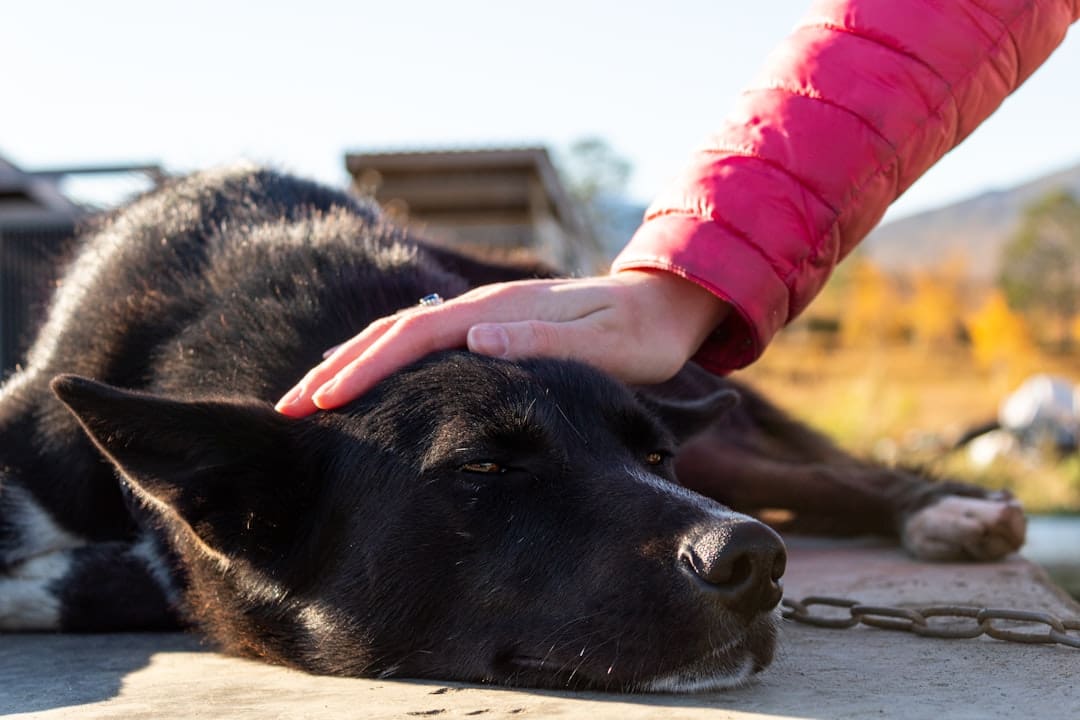
Request ground floor rooms when possible for easier outdoor access for your service dog's relief needs. Ask about nearby grassy areas or designated pet relief spots on the property. Many hotels provide maps showing the closest outdoor spaces suitable for service animals.
Hotel restaurants and bars within the property must allow service dogs in dining areas. Your dog should remain on the floor beside or under your table, not on chairs or eating surfaces. Room service is another option if your service dog seems stressed by restaurant environments.
If a hotel attempts to charge pet fees or refuses accommodation, politely reference the Americans with Disabilities Act and request to speak with a manager. Most issues resolve quickly once staff understand the legal requirements. Document any discrimination incidents for potential follow-up with the Department of Justice.
Rideshare Services and Service Dog Policies
Uber and Lyft both prohibit drivers from refusing rides to service dog handlers. Their policies align with ADA requirements, ensuring equal access to transportation services. Individual driver knowledge of these rules varies significantly.
When requesting rides, use the app's accessibility features if available. Uber offers an "assist" option that notifies drivers about accessibility needs, including service animals. This advance notice helps prevent conflicts and ensures drivers understand your legal rights.
If a driver cancels upon seeing your service dog or refuses to allow the animal in the vehicle, report the incident immediately through the app. Both companies investigate discrimination complaints and can take action against drivers who violate service animal policies.
Prepare brief, polite responses for driver questions. Explain that your dog is a service animal required because of your disability and is trained to perform specific tasks. Most drivers appreciate clear communication and cooperate once they understand the situation.
Consider larger vehicle options like Uber XL or Lyft XL if your service dog is particularly large. While standard vehicles must accommodate service dogs of all sizes, larger cars provide more comfort for everyone during the trip.
Public Transit Rules and Access Requirements
Public transportation systems receiving federal funding must provide full access to service dog handlers. This includes buses, trains, subways, and light rail systems throughout the country. The Federal Transit Administration enforces these requirements through regular compliance monitoring.
Most transit systems designate priority seating areas where service dog handlers can sit with adequate floor space for their animals. These sections are typically near the front of buses or in specific train car areas marked with accessibility symbols.
Amtrak allows service dogs on all trains without advance notice or additional fees. Your service dog can accompany you in coach seats, business class, or sleeping car accommodations. The animal must remain on the floor and cannot occupy seats intended for passengers.

Airport transportation presents unique considerations. TSA screening procedures require service dogs to go through security checkpoints alongside their handlers. Service dogs and handlers may request private screening if needed to accommodate the animal or medical equipment.
Local transit agencies sometimes provide orientation sessions for new riders with service animals. Contact your city's transportation department to ask about available resources or training opportunities that might help you navigate the system more confidently.
Documentation and Preparation Tips
While service dog handlers are not required to carry documentation, having information readily available can smooth travel experiences. Consider preparing a brief information sheet explaining your service dog's training and your rights under federal law.
Pack essential supplies in easily accessible locations. Bring extra food, water bowls, waste bags, and any medications your service dog needs. Include a first aid kit with basic supplies for both you and your animal in case of minor injuries or health issues.
Research veterinary services along your travel route. Identify emergency animal hospitals in your destination city and save contact information in your phone. This preparation proves invaluable if your service dog becomes ill or injured while traveling.
TheraPetic® Healthcare Provider Group, as a 501(c)(3) nonprofit organization, emphasizes the importance of proper preparation for service dog handlers navigating travel challenges. Our Licensed Clinical Doctors consistently observe that well-prepared handlers report significantly less travel-related stress and fewer access issues.
Carry copies of important documents in separate locations. Include vaccination records, any relevant medical information, and emergency contact numbers. Digital copies stored on your phone provide backup access if physical documents are lost or damaged.
Planning for Extended Travel
Extended trips require additional planning to maintain your service dog's health and working ability. Schedule regular breaks every 2-3 hours during car travel to allow your dog opportunities to relieve itself, drink water, and stretch.
Research service dog-friendly accommodations and activities at your destination. Many national parks, museums, and tourist attractions welcome service animals, but policies and physical layouts vary. Advanced research prevents disappointment and allows for alternative planning.
Pack familiar items that help your service dog feel comfortable in new environments. Bring their regular bed, favorite toys, and usual food to maintain routines that support their working performance and overall well-being.
Consider the climate and terrain of your destination. Hot weather requires extra water and frequent shade breaks, while cold conditions might need protective gear for your dog's paws. Adjust your planning based on seasonal weather patterns and expected outdoor activities.
Plan rest days during extended trips. Constant travel and new environments can be mentally exhausting for working dogs. Built-in downtime helps maintain your service dog's focus and prevents behavioral issues that might arise from overstimulation.
Handling Common Travel Challenges
Discrimination remains the most frequent challenge service dog handlers face while traveling. Stay calm and polite when addressing access issues. Clearly state that you have a service animal required because of your disability and reference the Americans with Disabilities Act when necessary.
Language barriers can complicate international travel or interactions with staff whose first language isn't English. Prepare simple phrases in relevant languages explaining that your dog is a service animal. Translation apps on smartphones can help communicate your rights in difficult situations.
Crowded environments like airports or busy tourist areas can overwhelm some service dogs. Practice exposure to various environments during training to build your dog's confidence. Identify quiet areas where you can retreat if your service dog shows signs of stress.
Weather-related challenges require flexible planning. Severe storms might delay flights or make outdoor relief difficult for your service dog. Pack indoor training pads as emergency backup and research covered areas near transportation hubs or accommodations.
Equipment failures can disrupt travel plans. Bring backup leashes, collars, and any specialized gear your service dog uses. Quick repair options like duct tape or zip ties can provide temporary solutions until proper replacements are available.
Emergency Resources and Contact Information
Keep important phone numbers easily accessible during travel. Save contacts for the Department of Justice Civil Rights Division (202-514-3831), which handles ADA violations, and local disability rights organizations in your destination area.
The Disability Rights Education and Defense Fund operates a national hotline (510-644-2555) providing guidance on disability law issues, including service animal access rights. This resource proves valuable when facing discrimination or unclear policies.
Document discrimination incidents thoroughly. Note the date, time, location, names of involved staff, and specific details about what occurred. This information supports formal complaints and helps improve policies for future service dog handlers.
Emergency veterinary services vary by location. The American Animal Hospital Association website provides a directory of accredited facilities nationwide. Save this information before traveling to unfamiliar areas.
Consider purchasing travel insurance that covers both you and your service dog. Some policies include coverage for veterinary emergencies, trip delays due to service animal illness, and other travel disruptions related to disability accommodations.
Traveling with your service dog in 2026 involves understanding your rights, preparing thoroughly, and knowing how to address challenges that arise. With proper planning and knowledge of ADA protections, you can navigate hotels, rideshares, and public transit confidently.
If you need support determining whether a service dog might benefit your daily life, TheraPetic® can help. Our Licensed Clinical Doctors provide comprehensive evaluations to assess your individual needs. Contact us at help@mypsd.org or (800) 851-4390, or start your evaluation at go.mypsd.org.
Written By
Ryan Gaughan, BA, CSDT #6202 — Executive Director
TheraPetic®® Healthcare Provider Group • About • LinkedIn • ryanjgaughan.com
Clinically Reviewed By
Dr. Patrick Fisher, PhD, NCC, BC-TMH, C-AAIS — Founder & Clinical Director • The Service Animal Expert™
Editorial Review
This article was reviewed by Dr. Patrick Fisher, PhD, NCC, BC-TMH, C-AAIS on April 26, 2026 for accuracy, currency, and clarity. Content is updated when laws or guidance change.