

The question "Can any dog be a service dog?" comes from dog owners who love their pets and hope they might have what it takes. The legal answer is yes. The Americans with Disabilities Act doesn't restrict breeds. But the practical reality tells a different story entirely.
Most dogs, even wonderful family pets, lack the specific combination of traits needed for service work. Professional training programs see wash rates of 60-80%, meaning only 2-4 dogs out of every 10 that start training actually graduate. These numbers reflect careful reality, not failure.
The Legal Reality: ADA Has No Breed Restrictions
Under the Americans with Disabilities Act, no dog breed is automatically disqualified from service work. The law focuses on function, not form. Any breed can legally become a service dog if they can perform specific tasks related to a person's disability.
This legal framework exists for good reason. Service dogs come in all sizes and breeds, from tiny medical alert dogs to large mobility assistance dogs. A person with diabetes might need a small dog for glucose detection, while someone with balance issues requires a larger, steadier animal.
Some housing providers and airlines have tried to ban certain breeds, but these restrictions violate federal disability rights. The Department of Justice has consistently ruled that breed discrimination against service dogs is illegal.
However, legal permission doesn't equal practical success. Just because any dog can attempt service training doesn't mean every dog will succeed.

The Practical Challenge: Why Most Dogs Don't Succeed
Service dog work demands an extraordinary combination of traits that most dogs simply don't possess. These animals must remain calm during medical emergencies, ignore distractions in crowded spaces, and maintain focus for hours at a time.
Consider what a service dog faces daily: sirens, crowds, food dropped nearby, other animals, strangers trying to pet them, and sudden loud noises. They must navigate all this while monitoring their handler for specific medical signs or mobility needs.
Most family dogs excel at being companions but struggle with the intense focus and reliability service work requires. A dog might be perfect at home yet become overwhelmed in a busy restaurant or hospital setting.
The difference lies in specific neurological traits that can't be taught. They must exist naturally. Dogs either have the genetic predisposition for this work or they don't.
Understanding Service Dog Wash Rates
Professional service dog organizations track "wash rates". The percentage of dogs that don't complete training. These statistics reveal the honest reality of service dog suitability.
Established programs report wash rates between 60-80%. Canine Companions for Independence, one of the largest service dog organizations, sees approximately 70% of their carefully selected puppies fail to graduate. These dogs come from specialized breeding programs designed specifically for service work.
Owner-trained dogs face even higher failure rates. Without professional puppy selection and early socialization, success rates drop significantly. Many owners invest thousands of dollars and months of training before accepting their dog isn't suitable.
Common reasons for washing out include:
- Sound sensitivity or startle responses
- Inability to focus in public spaces
- Aggression toward people or animals
- Excessive energy that can't be channeled
- Medical issues that develop during training
- Lack of problem-solving intelligence
These numbers aren't discouraging. They're realistic. Understanding wash rates helps set appropriate expectations from the beginning.
Essential Traits Every Service Dog Needs
Successful service dogs share specific traits that can't be trained into unsuitable animals. These characteristics must exist naturally in the dog's personality and genetics.
Calm Confidence
Service dogs remain composed in chaotic situations. They don't startle at sudden noises or become anxious in crowds. This trait appears early. Confident puppies typically become confident adults.
Intense Focus Ability
These dogs can maintain attention on their handler while ignoring distractions. They won't abandon their work to chase squirrels or investigate interesting smells.
Problem-Solving Intelligence
Service work requires dogs to make independent decisions. They must recognize when their handler needs help and respond appropriately, even in new situations.
Stable Temperament
Mood swings or unpredictable behavior disqualify dogs from service work. Handlers need consistent, reliable responses in all situations.
Physical Resilience
Service dogs work long hours in various environments. They need strong joints, good cardiovascular health, and stamina for extended public access.
Physical Health Requirements You Can't Ignore
Service dog work places significant physical demands on animals. Dogs must meet strict health standards that many pets don't achieve.
Joint Health
Hip and elbow dysplasia can end service careers early. Dogs need OFA or PennHIP clearances showing excellent joint structure. Even mild dysplasia becomes problematic under working conditions.
Vision and Hearing
Complete sensory function is essential. Dogs with partial hearing loss or developing cataracts can't perform reliably. Annual veterinary exams must confirm continued sensory sharpness.
Cardiovascular Fitness
Service dogs work 8-12 hour days without breaks. They need strong hearts and excellent lung capacity. Breeds prone to breathing issues face additional challenges.
Digestive Stability
Dogs with sensitive stomachs or food allergies struggle in service work. They can't have accidents in public spaces or require frequent dietary accommodations.
Size Considerations
Task requirements determine appropriate size ranges. Mobility dogs need sufficient size and strength, while alert dogs might be smaller. Very large or very small dogs face specific challenges in public access.
At TheraPetic® Healthcare Provider Group, we've seen how critical proper health screening becomes when matching individuals with appropriate service dog candidates through our nonprofit mission supporting disability rights.
Temperament Red Flags That End Training
Certain behavioral traits automatically disqualify dogs from service work, regardless of training investment. Recognizing these red flags early saves time, money, and heartbreak.
Any Form of Aggression
Service dogs cannot show aggression toward people or animals under any circumstances. This includes resource guarding, territorial behavior, or fear-based snapping. Even minor incidents disqualify dogs permanently.
Extreme Fear Responses
Dogs that shut down, hide, or panic in new situations can't function as service animals. While some nervousness is normal, extreme fear responses don't improve with training.
Hypervigilance or Anxiety
Dogs that constantly scan for threats or can't relax in public spaces create safety risks. They may false alert or miss genuine medical episodes due to anxiety.
Prey Drive Issues
Strong chase instincts can't be completely suppressed. Dogs that fixate on cats, squirrels, or running children will abandon their handler at critical moments.
Excessive Sociability
Overly friendly dogs seek attention from strangers instead of focusing on their handler. They may break position to greet people or accept treats from others.
Sound Sensitivity
Dogs that react strongly to sirens, construction noise, or sudden sounds can't work reliably in urban environments. This trait rarely improves significantly with conditioning.
Breed-Specific Considerations and Success Rates
While any dog can legally become a service dog, certain breeds show higher success rates due to their genetic traits and breeding history.
Traditional Service Breeds
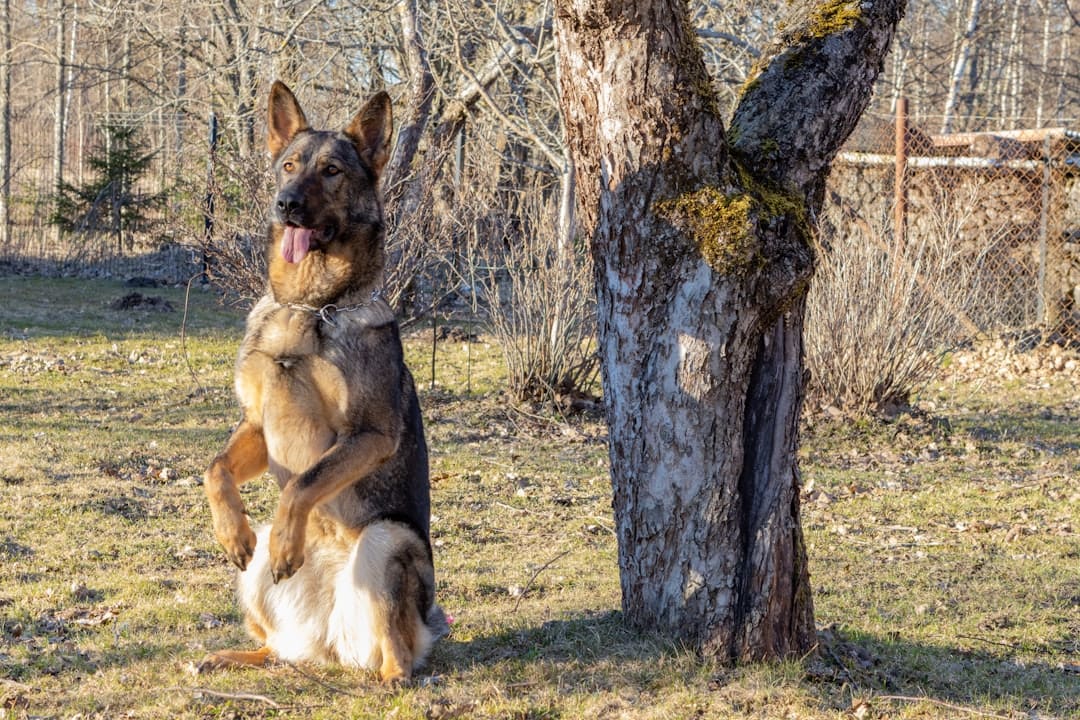
Golden Retrievers, Labrador Retrievers, and German Shepherds dominate professional programs for good reason. These breeds were developed for cooperation with humans and typically possess the temperament traits service work requires.
Working Group Breeds
Many working breeds have the intelligence and drive for service work but may be too independent or protective. Individual evaluation matters more than breed generalizations.
Terrier Challenges
Terriers' independent nature and strong prey drive often conflict with service work requirements. While exceptions exist, these breeds face additional training challenges.
Herding Breed Considerations
Border Collies and Australian Shepherds have the intelligence for service work but may be too reactive or energetic for many handlers' needs.
Mixed Breed Potential
Mixed breeds can excel as service dogs if they possess the right combination of traits. Genetic diversity sometimes produces excellent working dogs.
Remember that individual dogs matter more than breed stereotypes. A poorly bred Golden Retriever might fail while a well-suited mixed breed succeeds.
Making an Honest Assessment of Your Dog
If you're considering training your current dog for service work, honest evaluation is essential. This process requires setting aside emotional attachment and viewing your dog objectively.
Professional Evaluation
Consider professional temperament testing before investing in training. Qualified evaluators can assess your dog's suitability objectively and identify potential challenges early.
Age Considerations
Dogs over two years old have established personalities that rarely change dramatically. Young puppies offer more training flexibility but aren't guaranteed to develop appropriate traits.
Current Behavior Patterns
How does your dog handle:
- Crowded, noisy environments?
- Unexpected touch from strangers?
- Food distractions while working?
- Extended periods of calm focus?
- New situations without becoming overwhelmed?
Poor performance in these areas indicates unsuitability for service work.
Financial Reality
Service dog training costs $10,000-$25,000 whether you train privately or owner-train. Most dogs don't succeed despite significant investment. Consider whether you can afford potential failure.
Alternative Options
If your dog isn't service dog material, they might excel as an Emotional Support Animal or therapy dog. These roles require different traits and provide valuable support through different legal frameworks.
Making peace with your dog's limitations isn't giving up. It's being realistic about their strengths and finding the best way to utilize their natural abilities.
When to Accept Reality
Professional trainers recommend ending service dog training if dogs show consistent problems after 6-8 months of work. Continuing training rarely overcomes fundamental temperament issues.
Signs it's time to stop include:
- Repeated public access failures
- Inability to focus despite months of training
- Stress-related health issues
- Aggressive incidents of any kind
- Handler safety concerns
Accepting that your beloved pet isn't service dog material doesn't diminish their value as a companion animal. They can still provide emotional support and companionship within appropriate legal boundaries.
Ready to explore whether service dog training might be right for you and your situation? Visit our comprehensive screening resources to learn more about the evaluation process and connect with qualified professionals who can provide honest guidance tailored to your specific needs.
Written By
Ryan Gaughan, BA, CSDT #6202 — executive Director
TheraPetic®® healthcare Provider Group • About • LinkedIn • ryanjgaughan.com
Clinically Reviewed By
Dr. Patrick Fisher, PhD, NCC, BC-TMH, C-AAIS — founder & clinical Director • the Service Animal Expert™