

Why Joint Health Matters More for Working Dogs
A pet dog walks around the backyard and naps on the couch. A working dog walks miles of concrete, holds a steady brace, navigates crowded airports, and performs physical tasks dozens of times a day. The difference in demand is enormous. And that demand lands squarely on their joints.
Working dog joint health is not a senior dog concern. It is a day-one handler responsibility. The decisions you make in the first year of a dog's working life shape how long they can stay on the job and how much pain they carry in retirement.
In our experience supporting handlers of Service Dogs across the country, joint problems are one of the top reasons dogs retire early. Most of those retirements were preventable. This guide gives you the specific knowledge to stop injuries before they start.
Hip and Elbow Health: The Two Biggest Risks
Hip dysplasia and elbow dysplasia are the two most common orthopedic conditions in working dogs. Both involve abnormal joint development that causes cartilage wear, inflammation and eventual pain. Large and giant breeds face the highest risk, but medium breeds are not immune.
Hip dysplasia happens when the ball of the femur does not fit snugly into the hip socket. Over time, that loose fit grinds away the protective cartilage. Elbow dysplasia is a group of developmental conditions in the elbow joint that creates similar wear patterns. Both conditions are partly genetic and partly environmental.
You cannot change a dog's genetics. You can absolutely change their environment. Nutrition, body weight, exercise load and surface type all influence how quickly or slowly dysplasia progresses. A dog with mild genetic predisposition who is well managed may work comfortably for a decade. A dog with the same genetics who is overworked and overweight may be limping at age four.
Ask your veterinarian about baseline imaging before your dog begins heavy work. Radiographs of the hips and elbows at twelve to eighteen months give you a clear starting picture. OFA (Orthopedic Foundation for Animals) certifications are the national standard for documenting joint health in breeding and working dogs. Knowing where your dog starts helps you track changes over time.
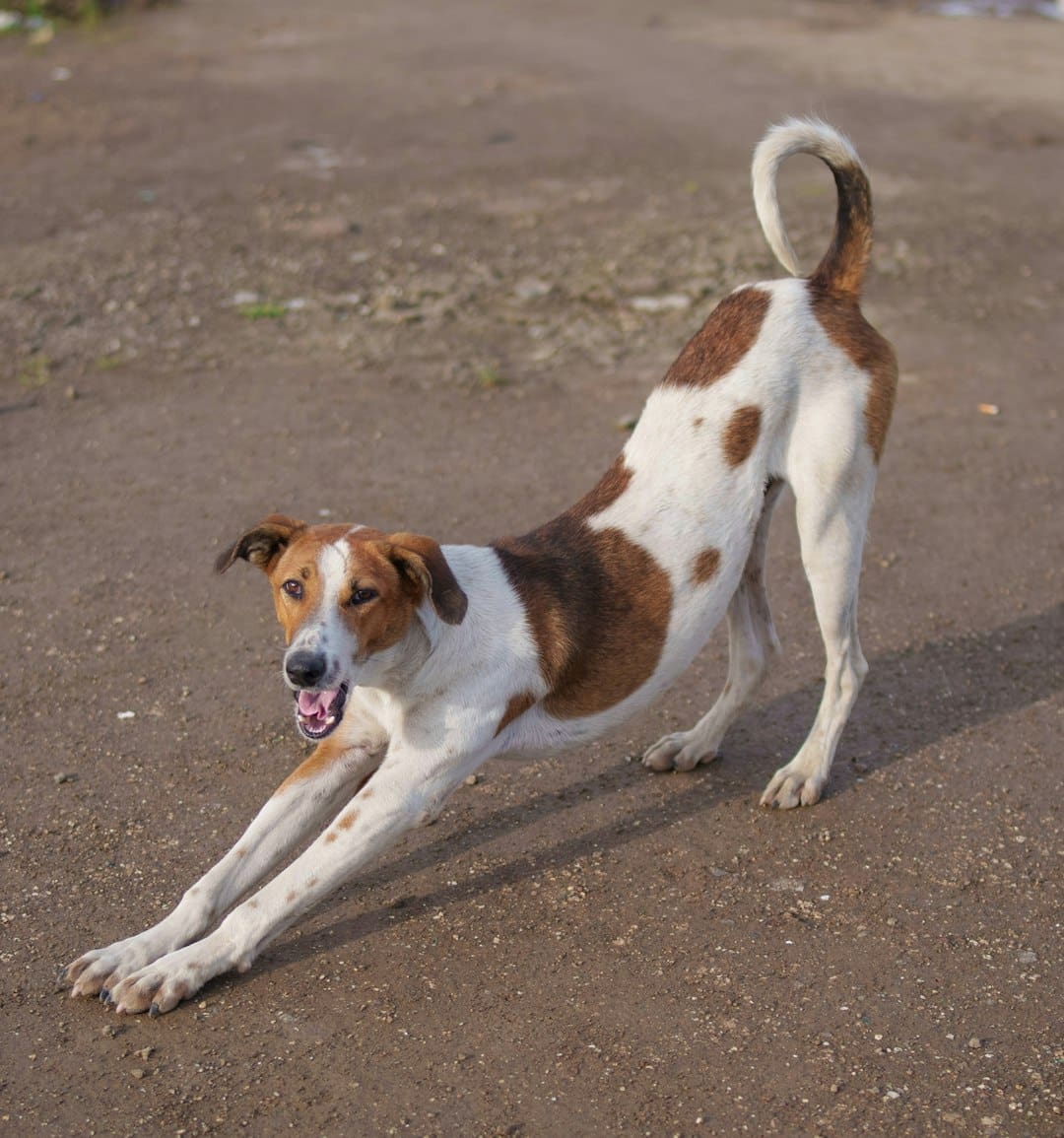
Weight Management Is a Medical Issue
Every extra pound a dog carries puts roughly four to five pounds of additional stress on their joints with every step. That math gets painful fast. A Service Dog who is even eight pounds overweight is putting forty or more extra pounds of pressure on their hips and elbows with every stride they take across a hard floor.
Look at your dog from above. You should see a visible waist. Run your hands along their ribs. You should feel them easily without pressing hard. If you cannot find the ribs without digging, your dog is overweight. Do not guess. Ask your veterinarian to formally body condition score your dog at every annual visit.
Working dogs often receive more treats than pet dogs because treat-based reinforcement is a core training tool. Track those calories. A ten-pound dog-training treat has real caloric value that adds up over a full training session. Reduce the size of training treats and cut the same calories from the dog's main meals. The training does not have to change. The portion management does.
Feed a high-quality diet formulated for large or giant breeds if that applies to your dog. Large breed formulas are specifically calibrated to support controlled bone growth and joint development. Avoid free-feeding. Measure every meal. Weight fluctuations in working dogs should be treated with the same seriousness as any other health metric.
Surface Awareness: The Risk Hiding in Plain Sight
Nobody talks about flooring enough. Slippery surfaces are a silent source of chronic joint stress for working dogs. When a dog's paws slide even slightly with every step, the muscles and tendons surrounding their joints work overtime to compensate. Do that for hours a day across a working career and you accumulate real damage.
Pay attention to where your dog works most often. Polished tile, hardwood floors and smooth concrete are the worst offenders. Ask the facilities your dog regularly visits whether anti-slip mats can be placed in your dog's work area. Many facilities are more cooperative than handlers expect when they understand the medical reason behind the request.
Nail length is directly connected to slip risk. Long nails force a dog to shift weight backward onto their pasterns, changing their gait and increasing joint load. Keep nails trimmed short enough that they do not touch the ground when the dog stands on a flat, firm surface. Trim every two to three weeks for most working dogs. Add paw wax or dog booties in extreme cold or on rough outdoor surfaces.
Also be aware of impact surfaces. Jumping repeatedly on and off hard surfaces is a measurable injury risk. Teach your dog to use ramps or steps when accessing vehicles, furniture or raised platforms. A $30 ramp can prevent a $3,000 orthopedic surgery. The trade is obvious.
Exercise That Builds Up Instead of Breaking Down
Working dogs need physical conditioning, not just physical work. There is a difference. Conditioning builds the muscle and cardiovascular base that supports the joints. Unstructured high-impact work without that base tears joints down over time.
Build your dog's workload gradually. If your dog is returning from a break or starting a new work role, follow the ten percent rule: increase total weekly activity by no more than ten percent each week. The tendons and cartilage around joints adapt more slowly than muscle. Ramp up too fast and you strain structures that have not yet caught up.
Include low-impact cross-training in your dog's routine. Leash walking on soft surfaces, swimming and cavaletti pole exercises all build strength and coordination without the pounding of pavement work. Swimming in particular is exceptional for joint health because it builds muscle with zero impact load. If you have access to a canine hydrotherapy facility, use it.
Build in recovery time. Working dogs are athletes. Athletes need rest days. Schedule at least one full rest day per week with no structured work or training. Watch your dog's movement on rest days. Stiffness that does not warm off in twenty minutes is a sign to talk to your veterinarian.
For new Service Dog handlers learning how to structure working life alongside training goals, our Service Dog training guidance covers the physical and behavioral development process in practical detail.

Supplements with Real Evidence Behind Them
The supplement market for dogs is large and often poorly regulated. Not every product on the shelf has clinical support. Focus on what the evidence actually supports.
Glucosamine and chondroitin sulfate are the most studied joint supplements in veterinary medicine. They support cartilage repair and reduce inflammation in joints already showing wear. Multiple veterinary clinical reviews have found them beneficial for dogs with existing joint disease. Their preventive role is less established, but the safety profile is strong and most veterinary orthopedic specialists recommend them for working dogs from middle age onward.
Omega-3 fatty acids, specifically EPA and DHA from fish oil, have solid evidence for reducing joint inflammation. The anti-inflammatory effect is real and documented in veterinary literature. Use a product formulated specifically for dogs and follow weight-based dosing on the label. Human fish oil capsules can be used but verify the dosage with your veterinarian.
Avoid products that make dramatic claims without named active ingredients. If a supplement does not list glucosamine, chondroitin, EPA or DHA with specific milligram amounts per dose, it probably does not contain enough of anything useful to matter. Ask your veterinarian before adding any supplement, especially if your dog is on other medications.
The National Institutes of Health maintains publicly accessible research on nutraceutical safety that can help you evaluate supplement claims against actual published evidence.
Catching Problems Before They Become Injuries
Learn to read your dog's movement. You are with this animal every day. You will notice changes before any veterinarian can. The challenge is knowing what to look for.
Watch for a shortened stride on one side. Watch for a dog who stands up slowly after resting or seems stiff in the morning. Watch for reluctance to jump onto surfaces they previously handled easily. Watch for a dog who licks or chews at a specific joint without an obvious external cause. These are not dramatic symptoms. They are early ones. Early is when intervention works best.
Do a weekly hands-on check. Run your hands along your dog's spine, hips, shoulders and elbows. Gently flex and extend each joint. A dog who flinches, tenses or vocalizes during that movement is telling you something. Do not wait for a limp. Limping means the pain is already significant. Act on the subtle signs first.
Schedule a veterinary orthopedic evaluation any time you observe a behavioral change that could be pain-related. Working dogs sometimes suppress pain signals because they are trained to stay focused. That stoicism is a liability for injury detection. Build vet checks into your calendar proactively, not just reactively. Twice a year is a reasonable baseline for active working dogs.
Building a Long-Term Joint Health Plan
Working dog joint health is a career-length commitment. It does not start when symptoms appear. It starts the day the dog puts on a vest.
Build a written health plan with your veterinarian. Include target weight range, supplement protocol, exercise schedule and screening frequency. Review it annually and adjust as your dog ages into different work phases. A dog working full time at age three needs a different plan than the same dog at age eight.
Talk to other experienced handlers. Peer knowledge is real knowledge. Connect with your Service Dog community through resources like our handler resource hub to find guidance from people who have navigated the same challenges.
At TheraPetic® Healthcare Provider Group, our 501(c)(3) nonprofit mission includes supporting the full wellbeing of working animal teams. We believe that physically healthy working dogs provide more consistent support, stay in service longer and retire with a better quality of life. That matters to us as much as the documentation and clinical side of what we do.
Protecting your dog's joints is one of the most concrete ways to protect their working future. Start now, stay consistent and watch the difference it makes over a career.
Have questions about your working dog's health or need support from our clinical team? Reach us at help@mypsd.org or call (800) 851-4390. You can also start a conversation with our team at go.mypsd.org.
Written By
Ryan Gaughan, BA, CSDT #6202 — Executive Director
TheraPetic®® Healthcare Provider Group • About • LinkedIn • ryanjgaughan.com
Clinically Reviewed By
Dr. Patrick Fisher, PhD, NCC, BC-TMH, C-AAIS — Founder & Clinical Director • The Service Animal Expert™
Editorial Review
This article was reviewed by Dr. Patrick Fisher, PhD, NCC, BC-TMH, C-AAIS on May 3, 2026 for accuracy, currency, and clarity. Content is updated when laws or guidance change.