
Teaching your dog anxiety alert tasks requires patience, consistency, and a deep understanding of both canine behavior and human physiology. Unlike basic obedience training, anxiety alert work involves training your dog to detect subtle physical changes in your body and respond with specific, helpful behaviors.
This comprehensive guide walks you through proven methods for training your dog to recognize anxiety symptoms like elevated heart rate, breathing changes, and physical tension. You’ll learn the step-by-step process that professional trainers use to develop reliable anxiety alert behaviors.
Understanding Anxiety Alert Tasks
Anxiety alert tasks involve training your dog to detect the early physical signs of anxiety episodes and alert you before symptoms escalate. Dogs can learn to recognize changes in your scent, body language, breathing patterns, and even heart rate through careful observation and training.
The most effective anxiety alert behaviors include deep pressure therapy, retrieving medication, creating space in crowds, and interrupting harmful behaviors like scratching or hair pulling. These tasks must be specifically trained and directly related to your disability to qualify as legitimate service dog work.
Your dog’s natural abilities play a crucial role in this training. Some dogs naturally notice changes in human behavior and physiology, while others require more structured teaching. The key is building on your dog’s existing observational skills through systematic training methods.
Legal Foundations for Anxiety Alert Work
Under the Americans with Disabilities Act, anxiety alert tasks qualify as legitimate service dog work when they perform specific functions related to your psychiatric disability. The dog must be individually trained to perform tasks that mitigate your specific anxiety symptoms.
Simply providing comfort through companionship does not qualify as a trained task. Your dog must learn specific behaviors like alerting to panic attacks, interrupting dissociation, or providing deep pressure therapy during anxiety episodes. These behaviors must be trained, not instinctive.
Documentation from healthcare providers can support your need for anxiety alert tasks, though the ADA doesn’t require certification. However, having clear medical documentation helps establish the legitimacy of your service dog’s work, especially in challenging public access situations.
Prerequisite Skills Your Dog Needs
Before beginning anxiety alert training, your dog must master several foundational skills. Solid attention and focus form the cornerstone of all advanced task work. Your dog should reliably respond to their name and maintain attention even with distractions present.
Basic obedience commands like sit, stay, down, and come create the framework for more complex behaviors. Your dog should perform these commands consistently in various environments and situations. Without this foundation, anxiety alert training becomes significantly more challenging.
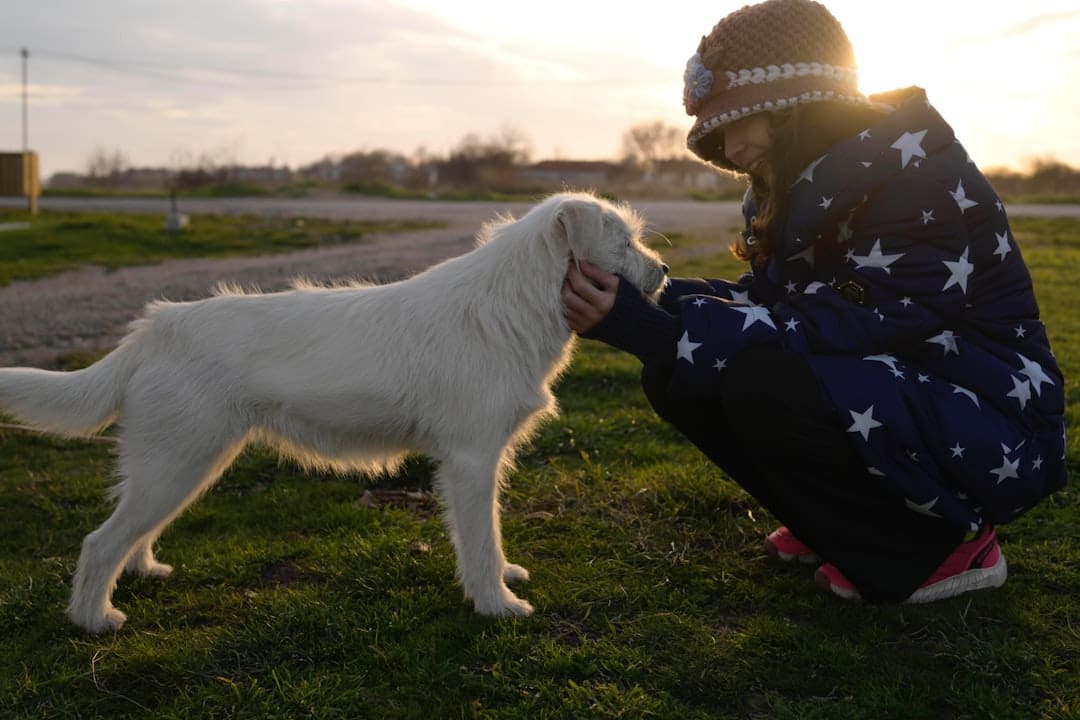
Impulse control exercises help your dog learn to think before acting. Practice “wait” commands before meals, doorways, and during play. This self-control translates directly to anxiety alert work, where your dog must learn to respond appropriately to your anxiety cues without becoming overly excited or reactive.
Your dog should also show natural interest in your emotional state. Dogs who already check on you when you’re upset or stressed often adapt more quickly to formal anxiety alert training. If your dog tends to ignore your emotional changes, you’ll need to build this awareness first.
Teaching Your Dog to Recognize Anxiety Cues
Start by identifying your personal anxiety cues. Common physical signs include rapid breathing, increased fidgeting, muscle tension, sweating, and changes in posture. Keep a journal for several days, noting what happens in your body when anxiety begins to build.
Create training scenarios where you can safely simulate these anxiety cues. Practice controlled breathing changes, deliberate fidgeting motions, and tense muscle postures. Your dog needs consistent exposure to these signals to learn their significance.
Use the “capture and reward” method when your dog naturally notices your anxiety cues. The moment your dog shows interest in your simulated anxiety behavior, mark it with a verbal marker like “yes” and immediately provide a high-value treat. Timing is crucial for this method to work effectively.
Gradually increase the subtlety of your anxiety cues as your dog becomes more responsive. Start with obvious signals and slowly reduce their intensity. This teaches your dog to detect anxiety in its early stages, when intervention is most effective.
Practice in different locations and times of day. Your dog needs to generalize this skill beyond your living room. Train in various rooms, outdoors, and eventually in public spaces where your anxiety alert dog will actually work.
Shaping the Alert Behavior
Choose one specific alert behavior to focus on initially. Popular options include nose nudging, pawing gently, bringing a specific item, or positioning themselves for deep pressure therapy. Consistency in the alert behavior helps you recognize your dog’s signal reliably.
Use shaping techniques to develop the exact behavior you want. Break the final behavior into small steps and reward approximations. For a nose nudge alert, reward your dog for looking at your face, then moving closer, then any nose contact, and finally the specific nudging behavior you prefer.
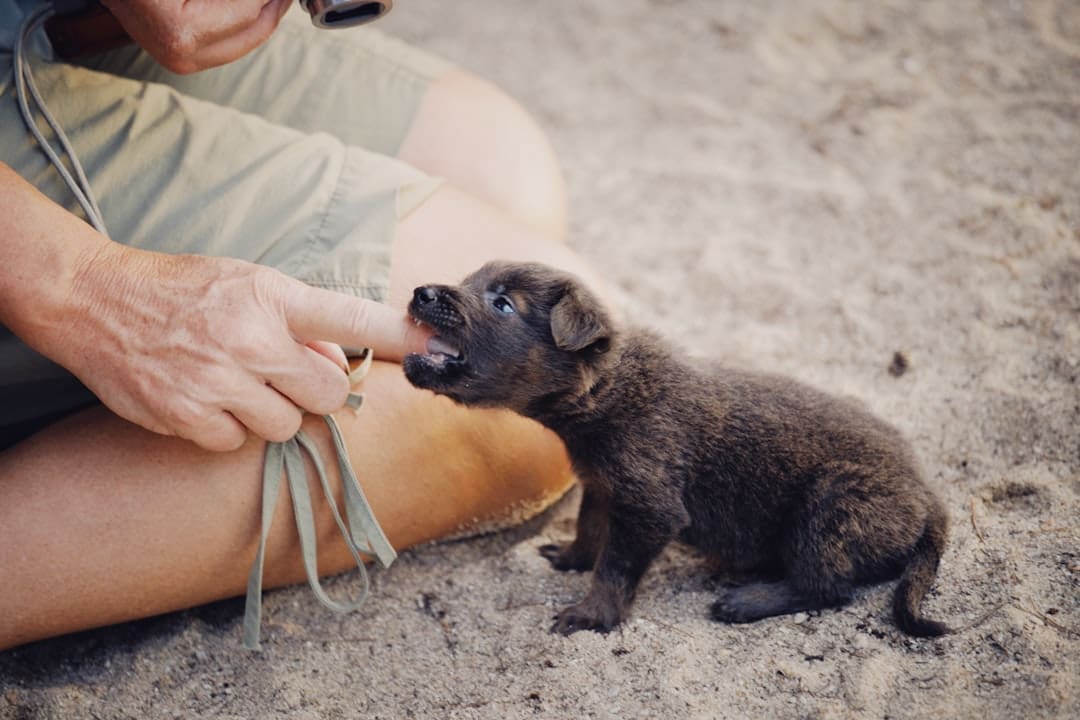
Add your anxiety cues once your dog performs the alert behavior reliably on command. Practice your simulated anxiety signals, and when your dog notices, prompt them to perform the alert behavior. Reward success immediately and enthusiastically.
Gradually phase out your prompting so your dog performs the alert behavior independently when they detect your anxiety cues. This transition requires patience and careful timing. Reward every successful independent alert during this critical phase.
Introduce distractions slowly during training sessions. Your dog needs to maintain focus on your anxiety cues even when interesting things happen around them. Start with mild distractions and gradually increase complexity as your dog’s skills improve.
Advanced Training Techniques
Scent detection training can enhance your dog’s ability to detect anxiety through chemical changes in your body. During actual anxiety episodes, collect scent samples on cotton balls and store them in airtight containers. Train your dog to alert to these specific scents using traditional scent detection methods.
Heart rate detection requires specialized training but can be highly effective. Some dogs learn to detect elevated heart rates through vibrations or subtle changes in your pulse points. This advanced skill typically requires professional guidance and considerable training time.
Chain multiple behaviors together for more comprehensive assistance. Train your dog to alert to anxiety, then immediately follow with deep pressure therapy or medication retrieval. This creates a complete response sequence that addresses multiple aspects of your anxiety episodes.
Environmental awareness training teaches your dog to recognize anxiety-triggering situations before your symptoms appear. This proactive approach involves training your dog to alert when entering potentially stressful environments like crowded spaces or medical facilities.
As a nonprofit organization dedicated to advancing psychiatric service animal access, TheraPetic® Healthcare Provider Group recognizes that proper task training creates life-changing assistance for individuals with anxiety disorders.
Troubleshooting Common Training Challenges
False alerts often occur when dogs become overly eager to perform their trained behavior. If your dog alerts when you’re not anxious, avoid rewarding the behavior and redirect their attention to an appropriate activity. Consistency in your response helps your dog understand when alerts are needed.
Inconsistent performance usually indicates insufficient practice or too rapid progression through training steps. Return to earlier stages of training and build stronger foundations before advancing. Your dog needs extensive repetition to develop reliable anxiety alert responses.
Over-arousal during training can interfere with learning. If your dog becomes too excited during anxiety alert training, incorporate calming exercises and shorter training sessions. A calm, focused dog learns more effectively than an overstimulated one.
Generalization problems occur when dogs perform well at home but struggle in new environments. Gradually expand your training locations, starting with slightly different but still familiar spaces. Build confidence through successful experiences before tackling more challenging environments.
Handler consistency issues can confuse your dog about when to alert. Maintain consistent anxiety cues during training and avoid mixed signals. Your dog relies on clear, predictable patterns to develop reliable alert behaviors.
Maintaining Long-Term Reliability
Regular practice sessions keep your dog’s anxiety alert skills sharp. Even well-trained service dogs need ongoing reinforcement to maintain peak performance. Schedule brief training sessions several times per week, even after your dog masters the basic skills.
Vary your training scenarios to prevent staleness. Use different anxiety cues, practice in new locations, and occasionally change the timing of training sessions. This variety keeps your dog mentally engaged and maintains their alertness to your anxiety signals.
Monitor your dog’s physical and mental health carefully. Illness, injury, or stress can affect your dog’s ability to perform anxiety alert tasks reliably. Regular veterinary checkups and attention to your dog’s emotional needs support consistent performance.
Keep detailed training records to track progress and identify patterns. Note when alerts are successful, when they’re missed, and environmental factors that might influence performance. This information helps you adjust training approaches and maintain high success rates.
Consider periodic professional evaluations of your dog’s anxiety alert skills. Professional trainers can identify subtle issues that might develop over time and suggest refinements to maintain optimal performance. For professional screening and evaluation services, experienced trainers can assess your progress and provide targeted guidance.
Training your dog for anxiety alert tasks creates a powerful partnership that can significantly improve your quality of life. The process requires dedication, patience, and consistent effort, but the results provide invaluable support for managing anxiety disorders.
Remember that every dog learns at their own pace. Some master anxiety alert tasks quickly, while others need months of careful training. Focus on steady progress rather than speed, and celebrate small victories along the way.
For additional resources on service dog training and legal rights, visit our comprehensive guide to public access rights. Understanding both the training and legal aspects of service dog work helps ensure successful partnerships between handlers and their assistance dogs.
Professional guidance can accelerate your training progress and help avoid common mistakes. If you need support developing anxiety alert skills or have questions about service dog training, connect with qualified professionals who understand the complexities of psychiatric service dog work.
Written By
Ryan Gaughan, BA, CSDT #6202 — Executive Director
TheraPetic® Healthcare Provider Group • About • LinkedIn • ryanjgaughan.com
Clinically Reviewed By
Dr. Patrick Fisher, PhD, NCC — Founder & Clinical Director • The Service Animal Expert™