

Training your dog to alert to anxiety represents one of the most sophisticated psychiatric service dog tasks. This specialized training teaches your dog to recognize subtle physiological and behavioral changes that occur during anxiety episodes and respond with a specific alert behavior. The process requires patience, consistency, and understanding of both canine learning theory and anxiety manifestations.
Anxiety alert tasks serve handlers who experience panic attacks, generalized anxiety disorder, PTSD, or other conditions where early intervention can prevent escalation. When properly trained, these alerts provide crucial early warning that allows handlers to implement coping strategies or remove themselves from triggering situations.
Understanding Anxiety Alert Tasks
Anxiety alerts work by teaching your dog to recognize specific physiological changes that occur before you become consciously aware of rising anxiety. Dogs naturally possess heightened sensory abilities that make them excellent candidates for this type of detection work.
Common anxiety cues dogs can learn to detect include changes in heart rate, breathing patterns, body temperature, and scent. During anxiety episodes, humans release different pheromones and exhibit subtle behavioral changes like increased fidgeting, muscle tension, or altered posture.
The alert behavior itself should be noticeable but not disruptive in public settings. Popular alert behaviors include nose nudging, pawing gently, positioning themselves in front of the handler, or bringing a specific item. The key is selecting an alert that will reliably get your attention without causing a scene.
Under the Americans with Disabilities Act, anxiety alerts qualify as trained tasks when they are specifically taught to respond to disability-related symptoms. This distinguishes service dog tasks from natural canine behaviors or emotional support provided through companionship alone.
Prerequisites for Anxiety Alert Training
Before beginning anxiety alert training, your dog must demonstrate solid foundation skills. Basic obedience commands like sit, stay, down, and come should be reliable in various environments. Your dog should also show impulse control and the ability to focus during training sessions.
Age considerations play an important role. Most trainers recommend waiting until dogs reach at least 12-18 months before beginning complex task training. Younger dogs lack the emotional maturity and attention span needed for this sophisticated work.
Handler preparation is equally important. You need to understand your personal anxiety triggers and early warning signs. Keep a detailed journal documenting your anxiety episodes, noting physical sensations, timing, and potential triggers. This information becomes crucial during the training process.
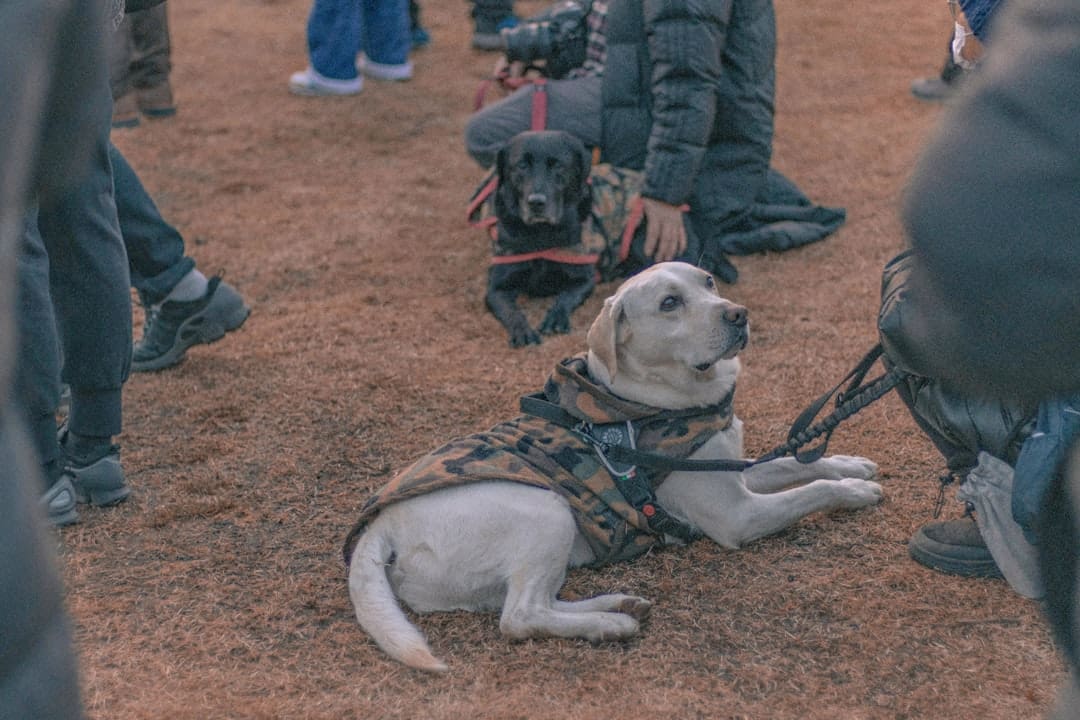
Environmental setup should minimize distractions initially. Choose a quiet room where you and your dog can focus without interruptions. Have training treats, a clicker if you use one, and any props needed for your chosen alert behavior readily available.
Consider consulting with a professional dog trainer experienced in psychiatric service dog tasks. Professional guidance can prevent common mistakes that delay progress or create behavioral problems.
Teaching Your Dog to Recognize Anxiety Cues
The foundation of anxiety alert training involves teaching your dog to recognize your specific anxiety indicators. This process requires careful observation and systematic conditioning.
Start by identifying your most reliable early warning signs. These might include increased heart rate, shallow breathing, sweating, or specific movements like leg bouncing or hand wringing. Choose 2-3 consistent indicators to focus on initially.
Create controlled scenarios where you can simulate these anxiety cues. For breathing pattern recognition, practice deliberately changing your breathing rhythm while your dog observes. When you exhibit the target cue, immediately mark it with a verbal cue like "alert" and reward your dog for any attention or movement toward you.
Scent-based training can be highly effective since dogs naturally excel at detecting chemical changes. During actual anxiety episodes, have treats ready to reward your dog for showing interest in you. This creates positive associations between your anxiety scent and reward.
Physical positioning changes offer another training avenue. Practice sitting or standing in ways that mimic your anxiety posture. Reward your dog for noticing and approaching when you adopt these positions.
Progress gradually from obvious cues to more subtle ones. Initially, exaggerate the behaviors to help your dog understand what to watch for. Over time, reduce the intensity until your dog responds to natural anxiety manifestations.
Shaping the Alert Behavior
Once your dog consistently notices anxiety cues, shape the specific alert behavior you want. Shaping breaks complex behaviors into small, achievable steps that build toward the final goal.
For a nose nudge alert, start by rewarding any movement toward your hand or leg when you display anxiety cues. Gradually require closer approaches, then actual contact, and finally the specific nose nudging motion you prefer.
Pawing alerts begin similarly. Reward your dog for lifting their paw near you, then for making contact, and eventually for the specific pawing motion and pressure you want. Avoid encouraging excessive scratching or forceful pawing that could cause injury.
Deep pressure therapy alerts involve teaching your dog to position their body weight against you or across your lap. This requires a larger dog and careful training to ensure appropriate pressure and positioning. Start with simple leaning behaviors and gradually shape the full position.
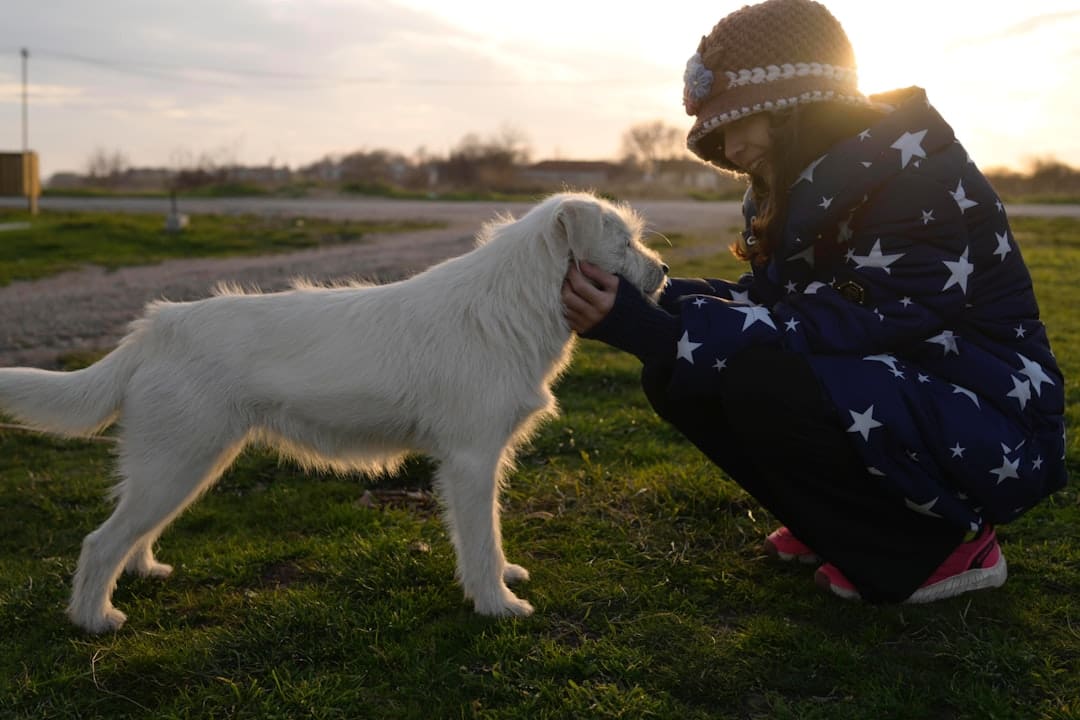
Retrieving alerts teach your dog to bring you a specific item when they detect anxiety cues. Choose an item that is portable, easily identifiable, and meaningful to your coping strategies. This might be medication, a phone, or a comfort object.
Consistency in your response to alert behaviors is crucial. Always acknowledge the alert, even if you disagree with your dog's assessment. Praise your dog and implement your coping strategies. This reinforces the alert behavior and builds your dog's confidence in the task.
Building Response Reliability
Reliability comes through systematic practice and gradual challenge increases. Start training sessions in calm environments where your dog can focus entirely on the task at hand.
Practice sessions should occur daily but remain short to prevent mental fatigue. 10-15 minute sessions work well for most dogs. Focus on quality repetitions rather than quantity.
Introduce mild distractions gradually. Begin with subtle background noises, then progress to more challenging environments as your dog's skills solidify. This process, called proofing, ensures the alert behavior transfers to real-world situations.
Variable reinforcement schedules strengthen alert behaviors over time. Initially, reward every correct alert. As skills develop, transition to intermittent reinforcement where you praise and reward alerts on an unpredictable schedule.
Real-world testing provides the ultimate reliability measure. During actual anxiety episodes, note whether your dog alerts appropriately. Keep detailed training logs to track progress and identify areas needing additional work.
False alerts require careful handling. Never punish your dog for alerting when you feel fine. Instead, acknowledge the alert and briefly implement coping strategies. Your dog may be detecting changes you haven't consciously recognized yet.
Proofing in Different Environments
Environmental proofing ensures your dog's alert skills transfer beyond training sessions. This process gradually introduces the distractions and challenges your dog will encounter in public spaces.
Home environment proofing starts with different rooms in your house. Practice anxiety alert training in bedrooms, kitchens, and living areas. Each location presents unique distractions and scents that your dog must learn to work through.
Outdoor training introduces weather variations, wildlife scents, and environmental sounds. Start in quiet outdoor spaces like your backyard before progressing to busier areas like parks or sidewalks.
Public space training requires careful planning and adherence to access laws. Service dogs in training have limited public access rights in most states. Work with a professional trainer who understands these regulations.
Social situations present unique challenges since other people may distract your dog or interfere with alert behaviors. Practice with family members and trusted friends before attempting crowded public spaces.
Transportation environments like cars, buses, or airplanes create confined spaces with intense sensory input. Gradually acclimate your dog to these environments while maintaining alert responsiveness.
Troubleshooting Common Training Issues
Training challenges are normal and expected during anxiety alert development. Understanding common issues and their solutions helps maintain progress momentum.
Inconsistent alerts often result from unclear criteria or mixed signals from the handler. Review your training approach to ensure you're consistently rewarding the same behaviors and cues.
Overeager alerting where dogs respond to minor stress or excitement requires refining the discrimination between true anxiety and normal emotional fluctuations. Practice in situations that produce mild stress without anxiety to teach your dog the difference.
Delayed alerts may indicate your dog needs more foundation work recognizing anxiety cues. Return to earlier training steps and strengthen the association between anxiety indicators and alert behaviors.
Environmental generalization failures suggest insufficient proofing work. Systematically practice in environments similar to where alerts failed until skills solidify.
Handler anxiety about training progress can inadvertently interfere with your dog's learning. Maintain calm, positive energy during training sessions. Your dog feeds off your emotional state and performs better when you remain relaxed.
Professional consultation becomes valuable when training progress stalls or behavioral problems develop. Experienced trainers can identify subtle issues that handlers might miss.
Maintaining Alert Skills Long-Term
Ongoing maintenance ensures your dog's anxiety alert skills remain sharp throughout their working career. Like all learned behaviors, alert tasks require regular practice and reinforcement.
Weekly training sessions help maintain skill levels even after initial training completion. These sessions don't need to be intensive but should review core alert behaviors and environmental challenges.
Seasonal refresher training addresses changes in routine, environment, or health that might affect alert accuracy. Schedule formal review sessions every 3-4 months to assess and strengthen skills.
Health considerations become more important as working dogs age. Regular veterinary check-ups ensure your dog remains physically capable of performing alert tasks. Arthritis, vision changes, or hearing loss may require task modifications.
Handler consistency in responding to alerts maintains your dog's motivation and confidence. Always acknowledge alerts and implement coping strategies, even when alerts seem unnecessary.
As a 501(c)(3) nonprofit healthcare provider, TheraPetic® supports individuals in developing independence through properly trained psychiatric service dogs. Our Licensed Clinical Doctors understand the profound impact that reliable anxiety alerts can have on daily functioning and quality of life.
Emergency preparedness should include plans for maintaining your service dog's skills during disruptions like illness, travel, or major life changes. Having backup training plans helps preserve the bond and working relationship you've built.
Documentation of your dog's alert training provides valuable records for housing accommodations, air travel, and other situations requiring task verification. Keep detailed logs of training progress and alert accuracy.
Remember that anxiety alert training represents a journey rather than a destination. Celebrate progress milestones while remaining committed to ongoing development. The investment in thorough training pays dividends through years of reliable, life-changing assistance.
For support in your service dog journey, including documentation and professional guidance, contact our team at help@mypsd.org or (800) 851-4390.
Written By
Ryan Gaughan, BA, CSDT #6202 — Executive Director
TheraPetic®® Healthcare Provider Group • About • LinkedIn • ryanjgaughan.com
Clinically Reviewed By
Dr. Patrick Fisher, PhD, NCC, BC-TMH, C-AAIS — Founder & Clinical Director • The Service Animal Expert™
Editorial Review
This article was reviewed by Dr. Patrick Fisher, PhD, NCC, BC-TMH, C-AAIS on April 26, 2026 for accuracy, currency, and clarity. Content is updated when laws or guidance change.