

Public access training transforms a well-behaved dog into a reliable service dog partner capable of accompanying their handler anywhere the public is allowed. Under the Americans with Disabilities Act, service dogs must demonstrate impeccable behavior in all public spaces, from bustling grocery stores to quiet medical offices.
The journey from basic obedience to full public access readiness requires systematic preparation, patience, and understanding of real-world challenges. This comprehensive guide outlines the essential steps every service dog team needs to master for confident, lawful public access in 2026.
Public Access Training Fundamentals
Public access training builds upon basic obedience to create a dog who remains calm, focused, and responsive in any environment. The foundation includes four core behaviors that must be absolutely reliable before attempting public access work.
**Controlled positioning** ensures your service dog maintains proper placement beside or slightly behind you, never pulling ahead or lagging behind. The dog should automatically adjust their pace to match yours, whether you're walking slowly through a crowded aisle or moving quickly across a parking lot.
**Impulse control** prevents your dog from reacting to food, other animals, or interesting smells. This skill proves essential in grocery stores where food items sit at nose level, or in restaurants where enticing aromas fill the air.
**Neutral greetings** teach your dog to ignore attempts at interaction from well-meaning strangers. The dog should never seek attention, accept petting, or respond to calls from other people. This boundary protects both the working relationship and legal protections under federal law.
**Environmental stability** allows your dog to remain calm despite sudden noises, crowds, or unexpected situations. Shopping carts rattling, children playing, or overhead announcements should not disturb your dog's focus or positioning.
Navigating Crowded Environments
Crowded spaces present unique challenges that require specific training protocols. Start with less busy environments and gradually increase difficulty as your dog demonstrates consistent success.
Begin training in quiet stores during off-peak hours. Practice basic navigation skills like moving through aisles, stopping at appropriate distances from other shoppers, and maintaining position during checkout lines. Your dog should learn to tuck closely beside you when space becomes limited.
**Shopping cart protocols** require your dog to stay clear of moving carts while maintaining their working position. Train your dog to recognize the sound of approaching carts and automatically move to a safe position without losing focus on you.
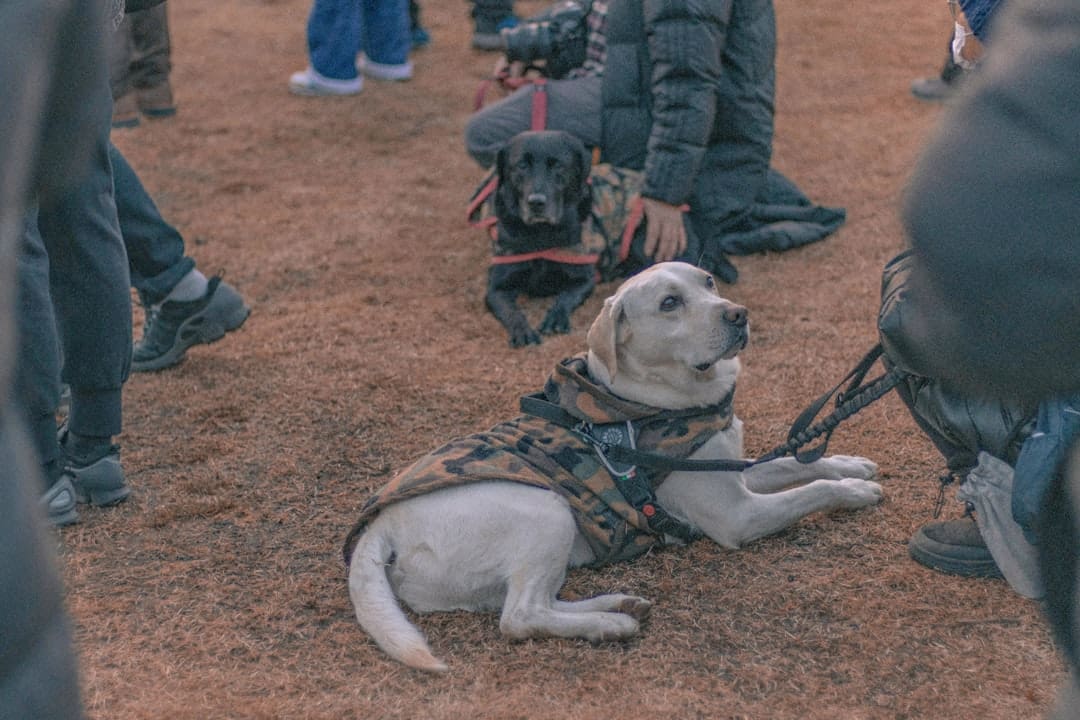
**Crowd navigation techniques** teach your dog to flow smoothly through groups of people without becoming anxious or excited. Practice walking through gatherings of friends or family members before attempting busy public spaces. Your dog should never seek interaction or become overwhelmed by the proximity of multiple people.
**Wait training** becomes crucial in crowded environments where you may need to stop unexpectedly. Your dog should immediately halt and maintain position when you stop, regardless of surrounding activity or interesting distractions nearby.
Restaurant and Medical Office Training
Restaurants and medical facilities require specialized public access skills due to their unique environments and heightened expectations for service dog behavior.
**Restaurant positioning** demands precise under-table behavior. Your service dog must lie down completely under the table without extending into walkways or touching other diners. Practice this skill at home using a card table or similar setup, gradually introducing distractions like dropped food or nearby conversations.
**Medical office protocols** require extended stationary behavior during appointments. Your dog must remain calm during examinations, not react to medical equipment sounds, and stay positioned where directed by healthcare staff. Some medical procedures may require your dog to perform specific tasks while maintaining absolute stillness.
**Scent control training** helps your dog ignore the strong odors common in both restaurants and medical facilities. Food aromas, cleaning chemicals, and medical supplies should not trigger investigation or disruption of the working position.
Practice extended down-stays in increasingly distracting environments. Start with 15-minute sessions and gradually extend to match the length of typical appointments or meals. Your dog should remain relaxed and alert without fidgeting, whining, or seeking attention.
Elevator and Transportation Skills
Elevator and transportation training addresses specific challenges related to confined spaces, moving surfaces, and proximity to strangers.
**Elevator entry and exit** requires your dog to wait for your command before entering, position appropriately inside the car, and exit calmly when doors open. Practice with building elevators during quiet periods, gradually introducing busier times as skills develop.
**Positioning in confined spaces** teaches your dog to make themselves as compact as possible while maintaining alertness for task performance. Your dog should learn to lie down or sit in tight spaces without touching other passengers or elevator walls.
**Motion adaptation** helps your dog remain steady during elevator movement, escalator rides, or moving walkways. Some dogs require time to adjust to the sensation of moving floors or sudden stops and starts.
**Public transportation protocols** vary by location but generally require your dog to remain on the floor, avoid blocking aisles, and ignore other passengers. Transportation regulations may have additional requirements for specific modes of travel.
Advanced Socialization Techniques
Proper socialization for service dogs goes beyond basic puppy socialization to include specific public access scenarios and controlled exposure to working environments.
**Controlled exposure training** introduces your dog to new environments systematically. Visit different types of buildings, surfaces, and social situations while maintaining training expectations. Each new environment should build confidence rather than create anxiety.
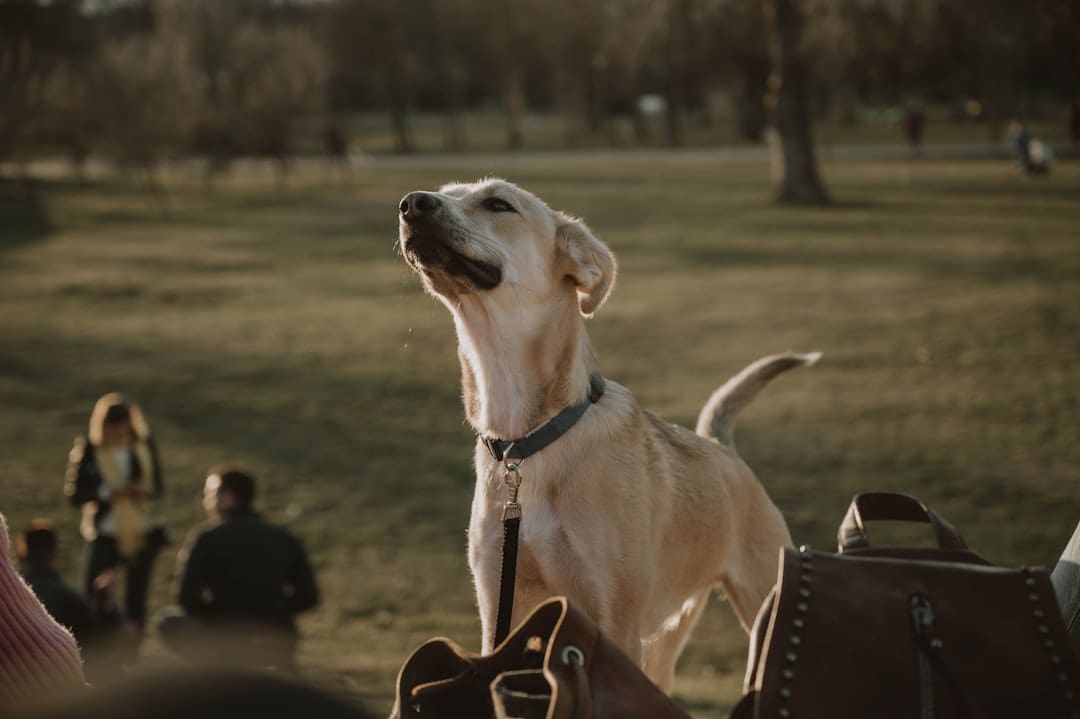
**Multi-sensory preparation** exposes your dog to the sights, sounds, and smells they'll encounter in public spaces. Play recordings of crowd noise, practice around shopping carts and wheelchairs, and introduce your dog to various flooring surfaces and lighting conditions.
**Interaction boundaries** teach your dog to remain neutral toward children, other dogs, and people with disabilities. Your dog should never initiate contact, respond to calls from strangers, or show excessive interest in other service dogs or assistive devices.
**Stress recognition** helps you identify when your dog feels overwhelmed and needs a break from public access work. Signs of stress include excessive panting, drooling, trembling, or loss of focus on commands. Addressing stress early prevents more serious behavioral problems.
Distraction Proofing Methods
Distraction proofing ensures your service dog maintains focus and responds to commands regardless of environmental challenges or temptations.
**Food distraction training** begins with basic impulse control around your dog's meals and treats, then progresses to ignoring dropped food in public spaces. Your dog should never attempt to eat anything found on the ground or accept food from strangers.
**Animal distraction protocols** teach your dog to ignore other dogs, cats, birds, or any animals encountered in public spaces. This includes pets in stores, therapy animals in hospitals, and other service dogs performing their duties.
**Sound desensitization** prepares your dog for unexpected noises like dropped items, loud announcements, construction sounds, or emergency alarms. Practice training commands during progressively louder background noise until your dog responds reliably regardless of auditory distractions.
**Movement distractions** include training around children running, people exercising, or objects being moved nearby. Your dog should maintain focus on you and their work despite interesting activities happening around them.
The screening process for support animal documentation often evaluates how well candidates understand the importance of proper public behavior training for their service dogs.
Emergency Protocols and Safety
Emergency protocols protect both you and your service dog during unexpected situations in public spaces.
**Emergency positioning** teaches your dog to move to a specific location or position during fire alarms, medical emergencies, or other urgent situations. This might include moving under a sturdy table, lying down beside you, or following an evacuation route.
**Recall reliability** ensures your dog will return to you immediately when called, even during exciting or frightening situations. This skill proves essential if your dog becomes separated from you during an emergency evacuation.
**Medical emergency protocols** prepare your dog to remain calm and continue task performance during health crises. Depending on your specific needs, your dog may need to retrieve medication, provide stability, or perform alert behaviors while emergency responders provide care.
**Crowd safety awareness** includes training your dog to avoid being stepped on in crowded evacuation scenarios and to maintain close contact with you during stressful group movements.
Real-World Practice Scenarios
Real-world practice bridges the gap between controlled training environments and actual public access situations.
**Progressive exposure schedule** starts with brief visits to quiet public spaces and gradually increases duration and complexity. Document your dog's progress and identify specific areas needing additional training.
**Scenario-based training** recreates common public access situations in controlled settings. Practice restaurant visits with friends, medical appointments with cooperative healthcare providers, and shopping trips during less busy hours.
**Problem-solving skills** develop as you and your dog encounter unexpected situations together. Each successful navigation of a new challenge builds confidence and strengthens your working partnership.
**Performance evaluation** should be ongoing throughout public access training. Honest assessment of your dog's readiness prevents premature public access attempts that could undermine training progress.
As a 501(c)(3) nonprofit healthcare provider, TheraPetic® Healthcare Provider Group recognizes that proper public access training creates confidence and safety for service dog teams navigating daily life. Our Licensed Clinical Doctors consistently observe that well-trained teams experience less stress and greater independence in their communities.
Ready to begin your service dog journey? Start your screening today to connect with experienced professionals who understand the comprehensive training requirements for successful service dog partnerships.
Written By
Ryan Gaughan, BA, CSDT #6202 — executive Director
TheraPetic®® healthcare Provider Group • About • LinkedIn • ryanjgaughan.com
Clinically Reviewed By
Dr. Patrick Fisher, PhD, NCC, BC-TMH, C-AAIS — founder & clinical Director • the Service Animal Expert™