

Mobility assistance tasks represent some of the most physically demanding and essential work that service dogs perform. These specialized skills enable handlers with mobility disabilities to navigate their daily lives with greater independence and confidence. From providing stability during standing to retrieving dropped items, mobility assistance tasks require careful training, proper equipment, and dogs with specific physical attributes.
The Americans with Disabilities Act recognizes mobility assistance as legitimate service dog work when these tasks directly relate to a person's disability. Understanding how to properly train these complex behaviors ensures both handler safety and dog wellbeing while maximizing the partnership's effectiveness.
Understanding Mobility Assistance Tasks
Mobility assistance tasks encompass a wide range of physical support activities that help handlers with movement, balance, and daily functioning. These tasks must be specifically trained to address an individual's disability-related limitations and cannot simply be natural dog behaviors or emotional support.
The most common mobility assistance tasks include bracing for stability, providing forward momentum pull, retrieving dropped or needed items, opening doors and drawers, operating light switches, and assisting with transfers. Each task requires precise training to ensure the dog responds reliably and safely to handler commands.
Before beginning mobility task training, handlers must work with healthcare providers to identify specific needs and limitations. This assessment helps determine which tasks will provide the most benefit and ensures training focuses on disability-related requirements rather than general convenience.
TheraPetic® Healthcare Provider Group's nonprofit mission includes supporting proper service dog training that enhances handler independence while maintaining dog welfare standards.
Bracing and Support Training
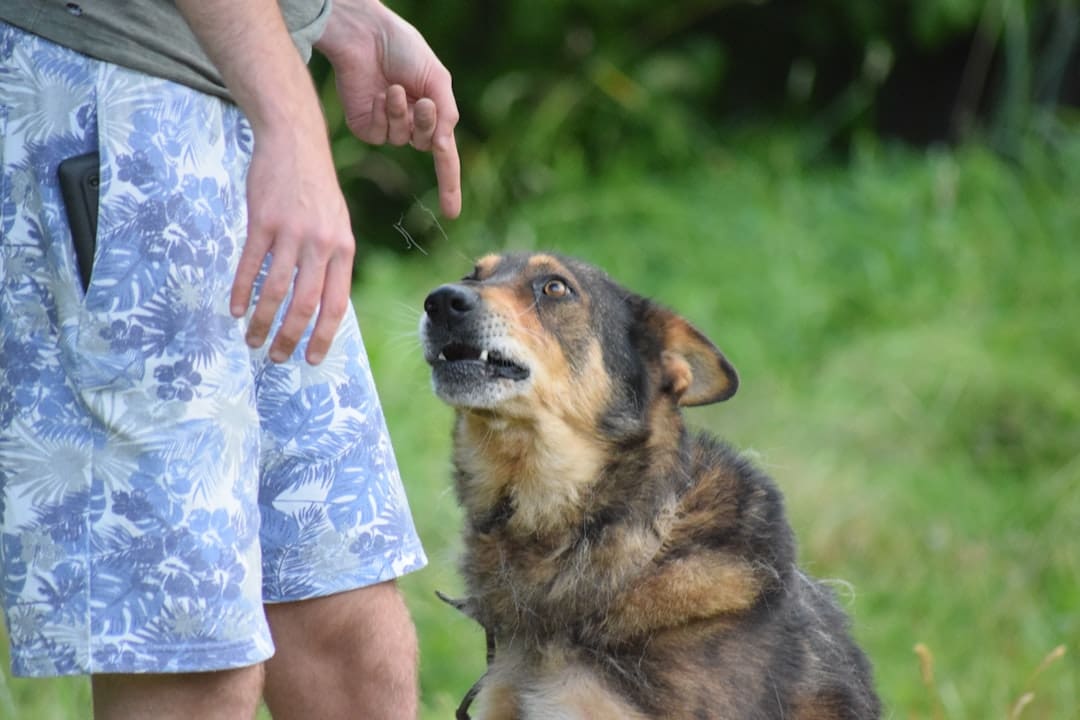
Bracing tasks provide physical stability for handlers who experience balance issues, weakness, or fatigue. The dog learns to stand still and brace against the handler's weight during standing, walking, or transitional movements like getting up from chairs.
Training begins with teaching the dog a solid "brace" command where they position themselves parallel to the handler and lock their body in a stable stance. The dog must learn to distribute weight evenly across their frame and maintain position even when the handler applies significant pressure.
Start training with minimal weight application, gradually increasing pressure as the dog builds strength and understanding. Use positive reinforcement when the dog maintains proper position and immediately stops weight application if the dog shows signs of stress or attempts to move away.
Proper equipment is essential for bracing tasks. A well-fitted harness with a rigid handle allows the handler to apply downward pressure without causing discomfort to the dog. The harness should distribute pressure across the dog's chest and shoulders rather than concentrating force on the spine.
Advanced bracing training includes teaching the dog to adjust their position based on handler needs. This might involve moving closer for additional support or positioning at specific angles to accommodate mobility equipment like walkers or canes.
Forward Momentum and Pull Assistance
Forward momentum assistance helps handlers who have difficulty initiating movement or maintaining walking pace. The dog learns to provide gentle, steady pulling force to help the handler move forward or maintain balance while walking.
This task requires careful training to avoid the dog pulling too hard or at inappropriate times. Begin with basic loose-leash walking skills before introducing any pulling commands. The dog must understand the difference between normal walking and assistance pulling.
Train the "forward" command by having the dog step ahead of the handler and apply gentle, steady pressure through a specialized harness system. The pulling should be controlled and responsive to handler guidance, not an enthusiastic drag forward.
Counter-balance work is a related skill where the dog provides backward pressure to help handlers who tend to fall forward or need assistance slowing down. This requires the dog to walk behind or beside the handler while maintaining tension on the lead system.
Practice momentum assistance in various environments and situations. The dog must learn to adjust their pulling strength based on terrain, handler condition, and environmental factors like crowded areas where gentler assistance is needed.
Item Retrieval and Delivery Tasks
Retrieval tasks enable handlers to access items they cannot easily reach due to mobility limitations. These tasks go beyond simple fetch games and require precise selection, gentle handling, and reliable delivery of specific objects.
Basic retrieval training starts with teaching the dog to pick up and deliver common household items. Begin with sturdy objects that won't break if dropped, gradually introducing more delicate items as the dog develops a soft mouth and careful handling skills.
Target training helps dogs learn to retrieve specific items on command. Teach the dog names for different objects and practice selection from groups of items. This skill becomes invaluable when handlers need specific medications, phones, or mobility aids.
Advanced retrieval includes teaching dogs to open containers, remove items from bags or drawers, and even undress handlers by removing shoes, socks, or jackets. These tasks require extensive practice to ensure the dog performs them safely without causing injury.
Delivery training ensures retrieved items reach the handler safely. Dogs learn to place items directly in the handler's hand, on their lap, or on nearby surfaces depending on the handler's mobility limitations and preferences.
Environmental Access Tasks
Environmental access tasks help handlers interact with their physical surroundings when mobility limitations prevent normal access to doors, lights, and other controls. These tasks require precision and reliability to ensure handler safety and independence.
Door opening training teaches dogs to operate lever handles, pull doors open, and even push automatic door buttons. Start with easy-to-operate doors and gradually increase difficulty as the dog masters basic concepts. Always ensure the dog can safely clear the door opening without getting caught.
Light switch operation requires teaching dogs to use their nose or paw to flip standard switches or push buttons. Practice with different types of switches and heights to ensure the dog can adapt to various environments. Some handlers train dogs to use special switch adapters that make operation easier.
Drawer and cabinet opening involves teaching dogs to pull handles or push doors to access contents. This task often combines with retrieval work when the dog must open storage areas to access needed items.
Elevator operation is an advanced environmental task where dogs learn to push call buttons and floor selection buttons inside elevators. This requires careful training to ensure dogs only operate buttons when commanded and don't accidentally press incorrect floors.
Size and Breed Considerations
Successful mobility assistance work requires dogs with specific physical characteristics and temperaments. Size, strength, and build significantly impact a dog's ability to perform these demanding tasks safely and effectively.
Large breed dogs typically work best for bracing and momentum tasks because they can support significant weight without strain. Breeds like Labrador Retrievers, Golden Retrievers, and German Shepherds often excel at mobility work due to their size, trainability, and working temperament.
The dog's weight should generally be at least 25% of the handler's weight for effective bracing support. Smaller handlers may successfully work with medium-sized dogs, but very large handlers require correspondingly large dogs to provide adequate stability.
Bone structure and joint health are crucial factors in mobility dog selection. Dogs with hip dysplasia, elbow problems, or other orthopedic issues cannot safely perform weight-bearing tasks. Regular veterinary screening helps ensure dogs remain physically capable throughout their working careers.
Age considerations include starting formal mobility training only after dogs reach physical maturity, typically 18-24 months depending on breed size. Early training focuses on foundation skills and conditioning rather than full weight-bearing work.
Some handlers successfully train smaller dogs for retrieval and environmental access tasks even when bracing isn't possible. These partnerships can still provide significant independence benefits through specialized task work that doesn't require large size.
Safety and Training Protocols
Safety considerations must guide every aspect of mobility assistance training. Both handler and dog face potential injury if tasks are performed incorrectly or without proper preparation and equipment.
Professional evaluation should precede mobility task training. Healthcare providers can assess handler needs while veterinarians evaluate the dog's physical capability for specific tasks. This dual assessment helps identify appropriate tasks while preventing overexertion or injury.
Gradual conditioning builds the dog's physical strength and endurance for demanding mobility work. Start with short training sessions and light weight applications, gradually increasing duration and intensity as the dog develops appropriate muscle tone and conditioning.
Equipment safety includes regular inspection of harnesses, handles, and other mobility gear. Worn or damaged equipment can fail during critical moments, potentially causing serious injury to both handler and dog.
Training progression should always prioritize safety over speed. Allow adequate time for dogs to master each skill level before advancing to more challenging tasks. Rushing training increases injury risk and may create long-term behavioral problems.
Many handlers benefit from working with professional service dog trainers who specialize in mobility assistance tasks. These experts can provide guidance on proper techniques, equipment selection, and safety protocols that protect both partners throughout their working relationship.
Maintaining and Advancing Skills
Mobility assistance skills require ongoing practice and refinement to maintain reliability and effectiveness. Regular training sessions keep dogs sharp while allowing handlers to assess their partner's continued capability for demanding physical work.
Daily practice of basic commands maintains the foundation for all mobility tasks. Even experienced dogs benefit from regular reinforcement of positioning, bracing, and retrieval skills through short, positive training sessions.
Skill advancement might include teaching dogs to work with new mobility equipment as handler needs change. Dogs can learn to accommodate wheelchairs, walkers, or canes by adjusting their positioning and assistance techniques.
Physical conditioning remains important throughout the dog's working career. Regular exercise, appropriate nutrition, and veterinary care help maintain the strength and joint health necessary for mobility assistance work.
Retirement planning acknowledges that mobility work is physically demanding and dogs may need to transition to lighter duties or full retirement as they age. Handlers should prepare for this transition and consider training successor dogs while their current partner can still provide guidance.
Regular assessment of both handler and dog capabilities ensures the partnership remains safe and effective. Changes in either partner's physical condition may require task modification or additional training to maintain optimal assistance levels.
The comprehensive training and maintenance of mobility assistance tasks requires dedication, proper resources, and often professional guidance. The TheraPetic® Healthcare Provider Group supports handlers in developing successful service dog partnerships through education and resources. For more information about proper evaluation and training approaches, or to learn more about other essential service dog tasks, handlers can access professional guidance and support throughout their training journey.
Mobility assistance tasks transform the daily lives of handlers with physical disabilities, providing independence and confidence through carefully trained canine partnerships. With proper training, appropriate dog selection, and ongoing commitment to safety and skill maintenance, these working relationships can provide years of effective assistance and companionship.
Written By
Ryan Gaughan, BA, CSDT #6202 — executive Director
TheraPetic®® healthcare Provider Group • About • LinkedIn • ryanjgaughan.com
Clinically Reviewed By
Dr. Patrick Fisher, PhD, NCC, BC-TMH, C-AAIS — founder & clinical Director • the Service Animal Expert™