

Service dog handlers navigate a complex web of federal laws that provide different protections depending on where you are and what you're doing. The Americans with Disabilities Act (ADA), Fair Housing Act (FHA), and Air Carrier Access Act (ACAA) each create distinct rights and requirements.
Understanding these differences helps you know exactly what protections you have in restaurants versus apartments versus airplanes. Each law was written at different times for different purposes, creating a patchwork of rights that every handler needs to understand.
Understanding the Three Laws
The ADA, passed in 1990, focuses on public accommodations and employment. It gives service dogs the strongest access rights in stores, restaurants, hotels, and government buildings. The ADA defines service dogs narrowly as dogs individually trained to perform disability-related tasks.
The Fair Housing Act, amended in 1988, covers housing discrimination. It uses broader language about "assistance animals" and includes both service dogs and emotional support animals in housing contexts. This creates different rules for apartments and condos than for public spaces.
The Air Carrier Access Act from 1986 governs airline travel. Recent changes in 2021 dramatically altered air travel rights, removing protections for emotional support animals while maintaining them for service dogs. Airlines can impose documentation requirements that don't exist under the ADA.
ADA: Your Strongest Public Access Rights
The ADA provides the most comprehensive protections for service dog handlers in public spaces. Under Title II and Title III, you have the right to bring your service dog anywhere the public is allowed to go.
Public accommodations must allow service dogs even if they have "no pets" policies. This includes restaurants, stores, hotels, theaters, gyms, and transportation systems. The only exceptions are areas where dogs pose a fundamental alteration to the nature of the business, like sterile hospital operating rooms.
The ADA limits what businesses can ask. Staff may only ask two questions: whether your dog is a service dog required because of a disability, and what task the dog is trained to perform. They cannot ask for documentation, require the dog to demonstrate tasks, or inquire about your specific disability.
Businesses must allow service dogs even if local health codes prohibit animals. Federal law overrides local regulations in these cases. The handler remains responsible for the dog's behavior and any damage caused.

Service dogs in training have no ADA protections when accompanied by handlers with disabilities. Only fully trained service dogs working with their disabled handlers receive ADA coverage. Some states provide separate protections for dogs in training with approved trainers.
FHA: Housing Protections and Limitations
The Fair Housing Act creates different rules for housing situations. Unlike the ADA's narrow service dog definition, the FHA uses broader "assistance animal" language that covers both service dogs and emotional support animals in housing contexts.
Landlords must provide reasonable accommodations for assistance animals, even in "no pets" buildings. This includes waiving pet fees, pet deposits, and breed restrictions for legitimate assistance animals. The accommodation must be disability-related and necessary for the person to have equal use and enjoyment of their housing.
However, the FHA allows landlords to request documentation that the ADA prohibits. For service dogs, landlords can ask for information about the disability-related need and the dog's training if it's not readily apparent. This creates a documentation requirement that doesn't exist in public accommodations.
Housing providers can deny accommodations if the animal poses a direct threat to others or would cause substantial property damage. They must make this determination based on objective evidence, not assumptions about breed or size.
The FHA applies to most housing, including apartments, condominiums, and single-family rentals. Exemptions include owner-occupied buildings with four or fewer units and single-family homes sold or rented without a real estate agent.
ACAA: Air Travel Challenges and Changes
Air travel presents the most complex legal landscape for service dog handlers. The 2021 ACAA revisions eliminated recognition of emotional support animals while maintaining protections for service dogs, but with significant new requirements.
Airlines can now require advance notice and documentation for service dogs on flights longer than eight hours. The Department of Transportation created standardized forms that airlines may use, including health certifications and behavior attestations.
Unlike the ADA, airlines can limit service dogs to dogs individually trained to do work or perform tasks for people with disabilities. They can also limit the number of service dogs per passenger (typically two maximum) and require dogs to be harnessed, leashed, or tethered unless the handler's disability prevents this.
Airlines must allow service dogs in the cabin at no charge, but they can require the dog to fit within the handler's foot space or seat area. For larger dogs, this may require purchasing an additional seat. Dogs cannot occupy seats or block aisles.
The ACAA allows airlines to exclude dogs based on breed, unlike the ADA's general prohibition on breed discrimination. Most major carriers have moved away from breed restrictions following advocacy efforts and practical considerations.
Comparing Your Protections Across Laws
Documentation requirements vary significantly across the three laws. The ADA prohibits requiring any documentation in public accommodations. The FHA allows reasonable documentation requests in housing situations. The ACAA permits specific forms and advance notice requirements for air travel.
Access rights are strongest under the ADA, which provides nearly universal public accommodation access. Housing rights under the FHA are robust but subject to more documentation requirements. Air travel rights under the ACAA are most restrictive, with the most extensive documentation and advance planning requirements.
Training requirements also differ. The ADA requires individual training for disability-related tasks. The FHA uses similar language but may be interpreted more broadly in housing contexts. The ACAA adopts the ADA's training requirements but allows airlines to verify this through documentation.
Enforcement mechanisms vary as well. ADA violations can result in Department of Justice lawsuits and private litigation. FHA violations may lead to HUD complaints and federal court cases. ACAA violations are handled by the Department of Transportation through its complaint process.
Documentation Requirements Under Each Law
Understanding what documentation each law allows or prohibits prevents confusion and protects your rights. The ADA's "no documentation" rule is absolute for public accommodations but doesn't apply to housing or air travel situations.
For housing under the FHA, landlords may request information about your disability and need for the animal if it's not readily apparent. They cannot require specific medical records but can ask for verification from healthcare providers about the disability-related need.
Airlines under the ACAA can require the most extensive documentation. The DOT forms include sections for veterinary health certifications, behavior attestations, and training confirmations. Some airlines require these forms to be submitted 48 hours before travel.
As a nonprofit organization, TheraPetic® Healthcare Provider Group helps individuals understand these varying documentation requirements across different contexts. Our screening process helps determine what documentation may be appropriate for housing situations while respecting ADA limitations for public access.
Enforcement and Handling Violations
Each law has different enforcement mechanisms and complaint processes. Knowing where to report violations and what remedies are available helps protect your rights and those of other service dog handlers.
ADA violations in public accommodations can be reported to the Department of Justice Civil Rights Division. You can also file private lawsuits seeking injunctive relief and attorney's fees. Some violations may be handled through state civil rights agencies or disability advocacy organizations.
FHA housing violations should be reported to HUD within one year of the discriminatory act. HUD investigates complaints and can pursue administrative actions or refer cases to the Department of Justice. Private lawsuits are also possible within two years.
ACAA airline violations go to the Department of Transportation's Aviation Consumer Protection Division. The DOT investigates complaints and can impose fines on airlines. Private lawsuits under the ACAA are generally not permitted, making DOT complaints the primary enforcement mechanism.
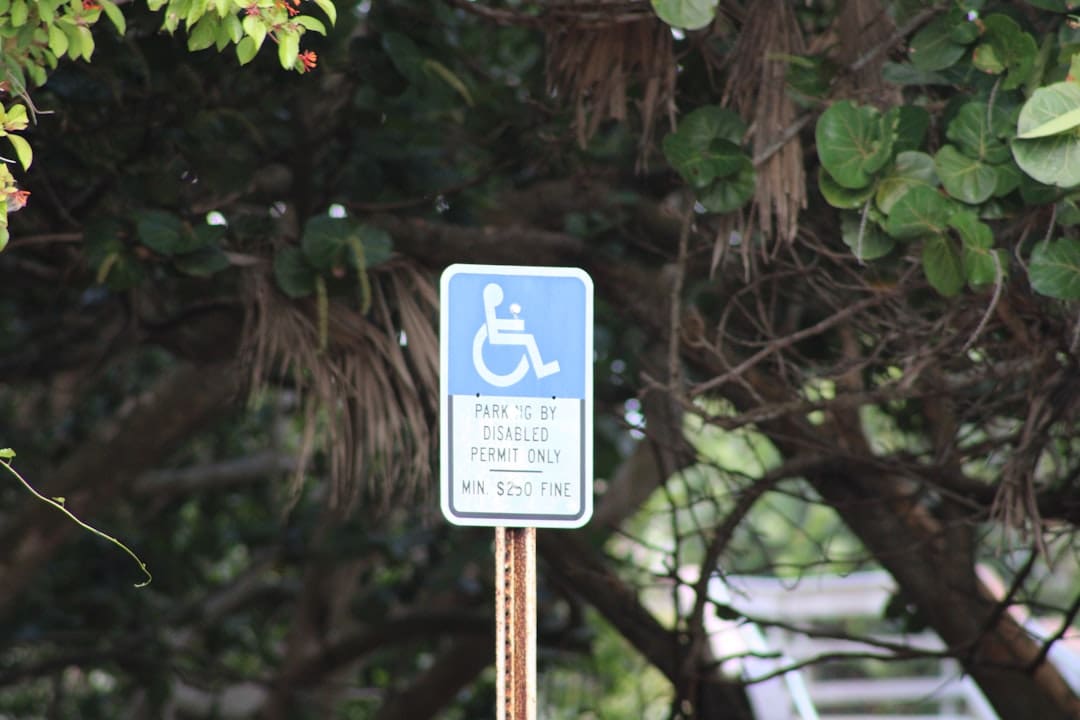
Documentation of violations is crucial regardless of which law applies. Keep records of denied access, witness statements, and any written communications. Photos of signage or policies that violate federal laws can support your complaint.
Practical Planning for Service Dog Handlers
Successful navigation of these three law systems requires practical planning and preparation. Understanding which law applies in each situation helps you know what to expect and how to prepare.
For daily public access, rely on ADA protections. Carry a brief explanation of the two-question rule to share with businesses if needed. Remember that local health departments and business owners may not understand ADA requirements.
When seeking housing, prepare for FHA documentation requirements. Gather verification letters from healthcare providers about your disability and need for a service dog. Understanding your public access rights also helps when living in housing with common areas covered by the ADA.
For air travel, plan well in advance. Complete airline documentation requirements early and keep copies of all forms. Contact the airline's disability services department to discuss your specific needs and confirm requirements.
Consider keeping different documentation for different contexts while respecting each law's limitations. What's required for housing isn't necessarily appropriate for public access, and what airlines require exceeds what restaurants can ask.
Stay informed about changes to these laws, especially ACAA regulations that continue evolving. Join handler communities and advocacy organizations that track legal developments and share practical experiences.
The intersection of these three federal laws creates a complex but navigable system of rights and responsibilities. Understanding where each law applies strongest helps you advocate effectively for yourself and your service dog while respecting the legitimate interests of businesses, landlords, and airlines.
If you're working with a healthcare provider to document your need for a service dog in housing situations, learn more about our comprehensive approach to supporting individuals through this process while maintaining the highest ethical and legal standards.
Written By
Ryan Gaughan, BA, CSDT #6202 — executive Director
TheraPetic®® healthcare Provider Group • About • LinkedIn • ryanjgaughan.com
Clinically Reviewed By
Dr. Patrick Fisher, PhD, NCC, BC-TMH, C-AAIS — founder & clinical Director • the Service Animal Expert™