

Can a rescue dog become a service dog? The answer is yes, but it requires realistic expectations and careful evaluation. While purpose-bred service dogs from specialized programs have higher success rates, many rescue dogs possess the temperament and intelligence needed for service work.
The journey from shelter to service work isn't easy. Success rates are lower than purpose-bred dogs, and training takes longer. But for handlers willing to invest the time and effort, a rescue dog can become a life-changing partner.
The Reality of Rescue Dog Service Training
Professional service dog organizations typically report 60-80% success rates with their carefully bred puppies. With rescue dogs, that number drops to 20-40%. This isn't because rescue dogs are inferior. It's because they come with unknowns.
Unknown genetic history creates unpredictability. You don't know if the dog's parents had hip problems or anxiety disorders. Past trauma can surface during intensive training. Early socialization gaps might limit public access comfort.
However, rescue dogs offer unique advantages. They've already shown survival skills and adaptability. Many have lived in multiple environments, building resilience. Adult dogs display established personalities, so you can better evaluate temperament.
The key is entering with eyes wide open. Budget for longer training periods. Plan for potential washouts. But also prepare for the incredible bond that forms when you give a shelter dog a second chance at life.
Essential Evaluation Checklist for Adult Rescue Dogs
Before committing to a rescue dog for service training, complete this thorough evaluation. Spend multiple visits over several days to see the dog's true personality.
Physical Health Assessment
Joint problems end service dog careers early. Look for limping, reluctance to climb stairs, or difficulty getting up. Request full veterinary records. Schedule an orthopedic evaluation before training begins.
Check vision and hearing carefully. Service dogs need perfect senses for safety tasks. Watch how the dog responds to sounds behind them. Test peripheral vision with gentle hand movements.
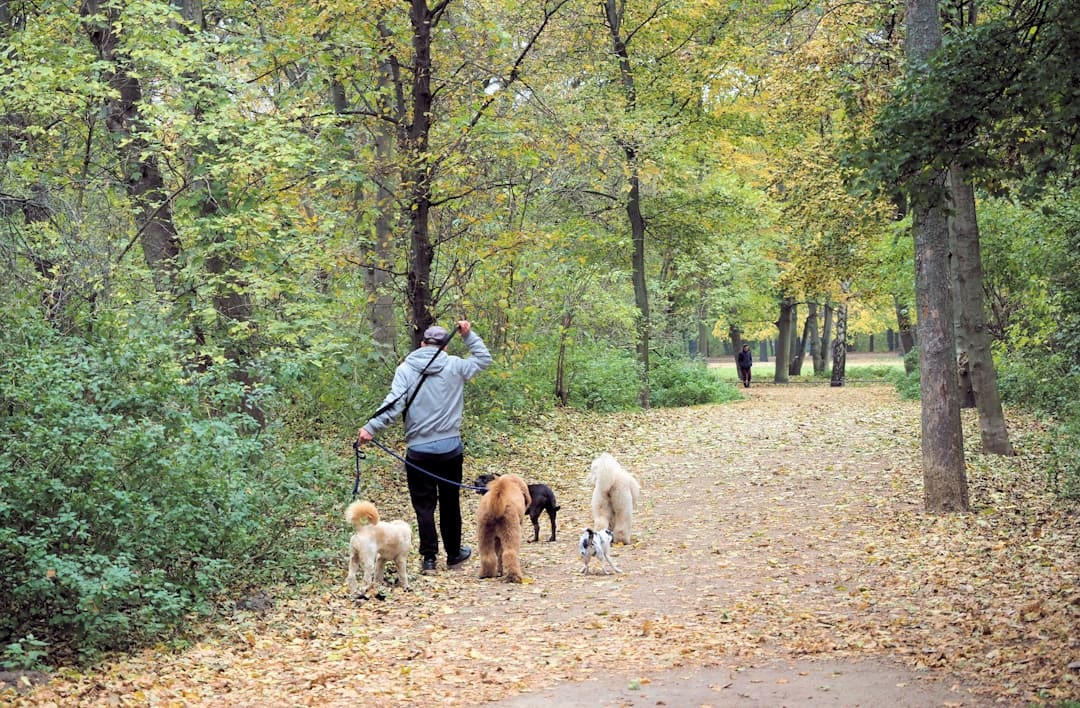
Basic Temperament Markers
Observe the dog's reaction to new people entering the shelter space. The ideal candidate shows curiosity without fearfulness or aggression. They should approach strangers calmly and accept gentle handling.
Test food guarding by offering treats near their bowl. A future service dog must never guard resources. Similarly, check toy possessiveness by gently removing and returning items during play.
Environmental Confidence
Take the dog outside the shelter environment if possible. How do they handle traffic noise? Do they startle at sudden sounds? Watch their body language around wheelchairs, walkers, or other mobility equipment.
The dog should show curiosity about new environments without overwhelming anxiety. Some initial nervousness is normal, but they should recover quickly and explore with confidence.
Age Considerations: When Older Dogs Can Still Succeed
Age significantly impacts service dog training success, but older dogs aren't automatically disqualified. The sweet spot is typically 1-3 years old. Past the destructive puppy phase but still mentally flexible.
Dogs under one year need extensive basic training before service work begins. They require house training, bite inhibition, and basic manners. This extends the training timeline by 6-12 months but offers maximum moldability.
Adult dogs aged 2-4 years often make excellent candidates. Their personalities are established, eliminating guesswork about temperament. They typically have basic house training and some obedience foundation.
Dogs over five years face physical limitations. Joint problems become more common. Learning new complex behaviors takes longer. For specific tasks matching their natural abilities, older dogs can succeed.
Senior Dogs: Special Considerations
Dogs over seven years rarely succeed in full service training. Their remaining working years are limited, making the investment impractical. They might excel at specific tasks for handlers with limited mobility.
Consider the dog's energy level realistically. High-energy breeds might seem appealing, but they need outlets for that energy even during working hours. A calm, focused temperament often outperforms high drive in service work.
Temperament Testing Your Rescue Dog Candidate
Professional temperament testing reveals a dog's suitability for service work. These tests evaluate responses to stress, novel situations, and handling requirements.
Sound Sensitivity Testing
Service dogs encounter sudden loud noises daily. Test the dog's reaction to dropped keys, slamming doors, or clapping hands. The ideal response is brief alertness followed by quick recovery.
Dogs who flee, freeze, or show prolonged stress responses struggle in public environments. Mild startle responses can improve with desensitization training.
Touch Tolerance Assessment
Service dogs must tolerate extensive handling for grooming, veterinary care, and task performance. Test the dog's comfort with paw handling, ear examination, and gentle restraint.
Practice putting on and removing a collar or harness. The dog should accept this handling calmly. Resistance or anxiety suggests potential training challenges ahead.
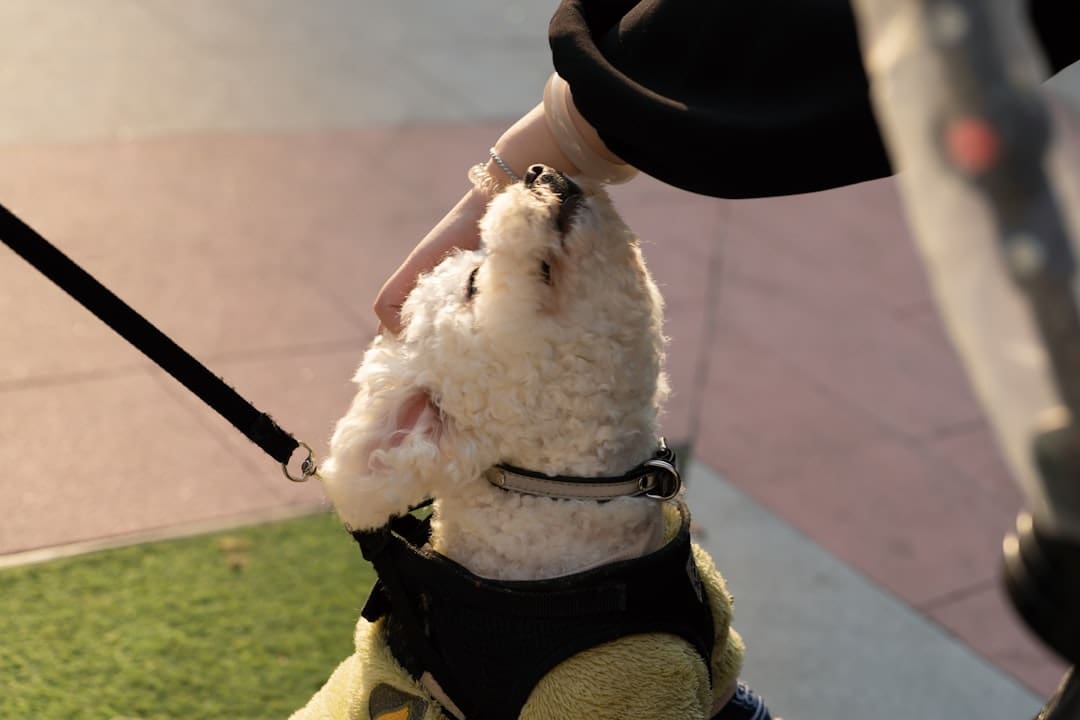
Social Interaction Evaluation
Bring different people to meet the dog. Children, elderly individuals, people with mobility aids. The dog should show polite interest without overwhelming excitement or fearfulness.
Test the dog's reaction to other dogs and animals. Service dogs must ignore distractions, including other pets. A dog with high prey drive or dog reactivity faces significant training obstacles.
Realistic Training Timeline and Expectations
Training a rescue dog for service work typically takes 18-36 months, longer than purpose-bred dogs. The timeline depends on the dog's age, background, and natural abilities.
Foundation Phase: Months 1-6
Focus on basic obedience and public access skills. House training, loose leash walking, and basic commands form the foundation. Address any behavioral issues from the dog's past.
Socialization becomes crucial during this phase. Expose the dog to various environments, sounds, and situations gradually. Build positive associations with public spaces.
Skill Building Phase: Months 7-18
Begin teaching specific service tasks matched to your disability needs. Tasks like medication reminders, mobility assistance, or medical alert work require months of consistent practice.
Public access training intensifies during this period. The dog learns to ignore distractions, remain calm in crowds, and respond reliably to commands in challenging environments.
Proofing and Refinement: Months 19-36
Test skills in increasingly difficult situations. Visit busy airports, crowded restaurants, and medical facilities. The dog must perform reliably regardless of distractions.
Some rescue dogs plateau during this phase. Previous trauma or genetic limitations may prevent further progress. Honest evaluation prevents wasted effort and ensures the dog's wellbeing.
Real Success Stories: Rescue Dogs Who Made It
Despite challenges, many rescue dogs succeed as service animals. These stories illustrate what's possible with dedication and realistic expectations.
Max: From Shelter to Seizure Alert
Max, a two-year-old German Shepherd mix, spent four months in shelter care before finding his handler. His high intelligence and calm demeanor caught attention immediately.
Training focused on seizure alert and response tasks. Max learned to detect pre-seizure changes and guide his handler to safety. After 20 months of training, he became a fully certified service dog.
Max's success came from matching his natural protective instincts with his handler's specific needs. His shelter background actually helped. He'd learned to read human emotions and body language for survival.
Bella: Psychiatric Service Dog Success
Bella, a rescued Labrador mix, showed exceptional emotional sensitivity from day one. Her handler needed psychiatric service dog tasks for PTSD management.
Training emphasized deep pressure therapy, medication reminders, and crowd control tasks. Bella's naturally calm presence made her perfect for emotional support situations.
The training took 24 months, longer than expected due to some resource guarding issues from her shelter days. Patient training overcame these challenges, and Bella now helps her handler navigate daily life successfully.
Common Challenges and How to Overcome Them
Rescue dogs face unique obstacles in service training. Understanding common challenges helps handlers prepare and adapt their approach.
Fear-Based Responses
Many rescue dogs carry trauma from previous experiences. They might fear men, children, or specific environments. Systematic desensitization helps, but progress is slow.
Never rush a fearful dog through exposure. Build confidence gradually with positive associations. Some fears may never completely disappear, limiting the dog's working environments.
Resource Guarding Behaviors
Dogs who experienced food scarcity often guard resources. This behavior is dangerous for service dogs who must share space with their handlers constantly.
Professional training can address mild resource guarding, but severe cases may disqualify a dog from service work. Safety always comes first in service dog partnerships.
Overexcitement and Lack of Focus
Some rescue dogs struggle with impulse control and focus. They may have learned that high-energy behaviors get attention. Redirecting this energy into productive work takes patience.
Consistent training routines help build focus gradually. Mental stimulation through training exercises can channel energy positively. Some dogs remain too distractible for service work.
Getting Started: Your Action Plan
Ready to explore training your rescue dog as a service animal? Start with professional evaluation and realistic planning.
First, ensure you qualify for a service dog under the Americans with Disabilities Act. Service dogs are specifically trained to perform tasks related to a person's disability. Emotional support animals have different legal protections.
Schedule a consultation with a certified dog trainer experienced in service work. They can evaluate your dog's potential honestly and recommend appropriate training approaches. Getting professional screening and evaluation saves time and heartache later.
Consider your timeline and budget carefully. Training costs range from $15,000-$30,000 when working with professional trainers. Self-training is possible but requires significant time investment and expertise.
Connect with other handlers who've successfully trained rescue dogs. Online communities and local support groups provide valuable advice and encouragement during challenging training periods.
At TheraPetic®, a 501(c)(3) nonprofit organization, we understand the unique challenges handlers face when working with rescue dogs. Our mission includes supporting all paths to successful service dog partnerships, whether through purpose-bred dogs or rescued animals.
Remember that not every rescue dog will succeed as a service animal, and that's okay. Failed service dogs often make wonderful pets or therapy animals. The goal is finding the right match between dog and handler needs.
If you're considering a service dog for your disability-related needs, professional guidance can help you explore all options and make informed decisions. Learn more about our comprehensive evaluation services and start your journey toward greater independence and improved quality of life.
Written By
Ryan Gaughan, BA, CSDT #6202 — executive Director
TheraPetic®® healthcare Provider Group • About • LinkedIn • ryanjgaughan.com
Clinically Reviewed By
Dr. Patrick Fisher, PhD, NCC, BC-TMH, C-AAIS — founder & clinical Director • the Service Animal Expert™